Dogs who spend their lives working terrain, scrambling through snow, or just being the energetic, physical creatures they are sometimes pay for it in their spines. Intervertebral disc disease (IVDD) is one of the most common neurological conditions in dogs, and it can appear suddenly and progress quickly. Certain breeds, including Dachshunds, Basset Hounds, Corgis, and Beagles, are genetically predisposed, but larger and more active dogs are not immune. The window for the best treatment outcomes is often shorter than families expect, and knowing what to look for and when to act can make a significant difference in how well a dog recovers.
Soda Springs Animal Clinic is here to help your dog when an emergency like IVDD strikes. Our in-house diagnostics help us assess the severity and location of disc involvement, and we provide same-day appointments six days a week so your pet can be seen promptly. For cases that require surgical decompression, we’ll take the time to go over the options, provide referral guidance, and help coordinate the next step. If you’re seeing symptoms that worry you, don’t wait- contact us right away to discuss your dog’s situation.
What to Know
- IVDD develops when the cushioning discs between spinal vertebrae degenerate, bulge, or rupture, pressing on the spinal cord or nerve roots and producing pain, weakness, or paralysis depending on severity.
- The disease takes two main forms: sudden, forceful herniation that’s common in chondrodystrophic breeds (Dachshunds, Corgis, French Bulldogs), and slower, gradual disc bulging more typical of larger breeds and older dogs.
- Timing matters enormously: dogs treated within 24 to 48 hours of losing the ability to walk have substantially better recovery odds than dogs whose treatment is delayed.
- Treatment ranges from strict cage rest with medication for mild cases to surgical decompression for moderate and severe cases; rehabilitation supports recovery in both pathways, and outcomes for appropriate candidates are often excellent.
What Is IVDD and Which Dogs Are Most at Risk?
The spine is built from a series of bones (vertebrae) stacked along the spinal cord, with cushions of cartilage and gel-like tissue (intervertebral discs) between them. The discs absorb impact, allow flexibility, and protect the cord from the bones around it. Intervertebral disc disease develops when one or more of these discs herniates, ruptures, or extrudes material that compresses the nearby spinal cord. The resulting pressure on the cord interferes with the signals traveling between the brain and the rest of the body, producing the pain, weakness, and neurological deficits we recognize as IVDD.
The disease takes two main forms, and the distinction matters because they behave differently:
- Sudden, forceful herniation (Hansen Type I) occurs when the inner gel-like material of a disc bursts through its outer ring and slams into the spinal cord. This is the typical pattern in chondrodystrophic breeds and often produces dramatic acute presentations.
- Slower, gradual disc bulging (Hansen Type II) occurs as discs lose their water content and fibrous structure over time, gradually pushing outward against the cord. This pattern is more common in larger breeds and older dogs and tends to produce slowly worsening signs.
The dog breeds most at risk for IVDD fall into two main groups corresponding to these two patterns:
Chondrodystrophic breeds (those with the gene for short-legged, long-bodied conformation) are at dramatically higher risk for sudden herniation events. These include Dachshunds (the highest risk by far), Corgis, Basset Hounds, French Bulldogs, Pekingese, Shih Tzus, and similar breeds. The discs in these breeds undergo earlier, more aggressive degeneration, often beginning in young adulthood. Affected dogs typically present with acute, severe disc events.
Larger non-chondrodystrophic breeds including German Shepherds, Labradors, Golden Retrievers, and many mixed-breed dogs develop the slower bulging form. Their disc disease tends to present more gradually and at older ages.
Risk factors beyond breed:
- Excess body weight (one of the strongest controllable risks)
- Repetitive jumping or twisting
- Age-related disc dehydration
- Trauma
Working dogs that cover rough terrain or scramble through obstacles aren’t more genetically predisposed, but they have more opportunities to acutely worsen an underlying disc problem.
What Are the Warning Signs of IVDD in Dogs?
The signs of IVDD range from subtle stiffness through pain-only presentations to dramatic neurological deficits, depending on how much disc material has displaced and where. Catching the disease at the earlier end of that spectrum, before significant cord compression has occurred, gives your dog meaningfully better recovery odds than waiting until the picture is unmistakable.
IVDD symptoms to watch for:
- Reluctance to jump onto furniture or climb stairs
- Hunched or stiff posture
- Yelping when touched along the spine or picked up
- Wobbly or uncoordinated gait
- Dragging or knuckling of the back paws
- Weakness progressing to inability to bear weight
- Loss of bladder or bowel control
- Trembling alongside any of the above
Many signs of pain in dogs are subtle, and dogs frequently hide discomfort until it’s significant. Changes in normal behavior, particularly reluctance to do activities the dog usually enjoys, deserve attention even before classic neurological signs appear.
The Conscious Proprioception Test
One useful at-home check is conscious proprioception, which tests whether your dog’s nervous system can sense the position of their paws. Gently flip one back paw so it rests upside down (knuckled under) on the floor. A neurologically intact dog will immediately right the paw without thinking about it. A dog with spinal cord compression often leaves the paw knuckled or corrects it slowly.
The test is a clinical screening tool, not a diagnostic one. A negative result doesn’t rule out IVDD, but a positive result (failure to self-correct) means nerve signaling is impaired and evaluation is urgent. If your dog’s flipped paw doesn’t immediately return to normal position, the spinal cord is not transmitting position information correctly, and waiting to see if things improve at home is not the right plan.
Why Does Timing Matter So Much With IVDD?
Spinal cord compression triggers a cascade of secondary injury that worsens the longer it continues. The compressed cord swells, blood flow to the area is disrupted, oxygen delivery falls, and the resulting tissue damage compounds the original injury. The transition from weakness to irreversible neurological damage can happen within hours in severe cases, which is why same-day evaluation is the right call for any dog losing function, not next-day or “Monday morning.”
IVDD stages describe the progression of neurological compromise and shape both treatment urgency and prognosis. The five stages:
| Stage | Clinical Picture | Treatment Urgency |
| 1: Pain only | Back or neck pain without weakness; reluctance to move or jump | Evaluation within 24 to 48 hours; conservative management often appropriate |
| 2: Mild weakness, still walking | Weak or wobbly in the back legs but able to walk independently | Prompt evaluation; conservative or surgical depending on imaging |
| 3: Cannot walk but can move legs | Non-ambulatory, but voluntary leg movement preserved | Same-day evaluation; surgical management often appropriate |
| 4: Paralyzed but with deep pain sensation | No voluntary movement; pinching a toe still produces a conscious pain response | Surgical decompression urgent, ideally within 24 hours |
| 5: Paralyzed with no deep pain sensation | No conscious response to deep toe pinch | Emergency surgical decompression within 24 hours offers the only meaningful chance at recovery |
If you’re seeing severe neurological signs, our urgent care during open hours can begin evaluation and stabilization, with referral to a specialty surgical center as needed. For milder back pain or stiffness without obvious neurological deficits, strict rest at home with same-day or next-day evaluation is usually appropriate. When in doubt, call us; we’ll help you figure out the right urgency level.
How Is the Decision Between Surgery and Conservative Management Made?
The choice between surgical and conservative treatment is shaped by the IVDD stage, the imaging findings, the dog’s age and overall health, the support and rehabilitation resources available at home, and financial considerations. The decision is rarely binary; we walk through the specifics with you and make a recommendation based on the whole picture rather than a single factor.
When Is Surgery the Recommended Path?
Surgical decompression removes the displaced disc material and relieves pressure on the spinal cord. The most common procedure is hemilaminectomy, which involves removing a portion of the bone covering the spinal cord to access and remove the herniated disc material.
Surgery is the recommended approach for:
- Dogs with severe neurological deficits (unable to walk or worse)
- Cervical (neck) disc disease in many cases
- Dogs whose imaging shows significant cord compression
Timing is critical: dogs treated within 24 to 48 hours of losing the ability to walk have substantially better recovery odds than dogs whose treatment is delayed. After 48 hours of paralysis with absent deep pain sensation, the prognosis declines significantly. Surgical recovery involves several days in hospital, strict activity restriction for 4 to 8 weeks, and structured physical rehabilitation throughout.
Newer IVDD treatments are also expanding the choices available for some patients, including minimally invasive techniques and intradiscal procedures. The procedure itself is generally performed at specialty surgical centers by board-certified neurologists or surgeons. We don’t perform these advanced procedures in-house, but we coordinate referral to appropriate specialty centers and provide the diagnostic and supportive care that makes surgical referral effective.
When Is Conservative Management Appropriate?
Not every IVDD case needs surgery. Conservative IVDD management is appropriate for dogs with mild neurological signs who still retain the ability to walk, those who are early in the disease course, and those for whom surgery isn’t feasible due to medical, financial, or other constraints.
A properly managed conservative case includes:
- Strict crate rest for 4 to 8 weeks (genuinely strict, not just “less activity”)
- Pain control with appropriate medications
- Anti-inflammatory medication to reduce cord swelling
- Muscle relaxants when muscle spasms contribute to discomfort
- Bladder management if urinary function is compromised
- Physical rehabilitation to support recovery

Partial compliance is not the same as treatment. The most common reason conservative management fails is inadequate rest, not the underlying disease being too severe. All it takes is one leap from the couch for a mild case to become severe.
What Modern Therapies Support Spinal Recovery?
Beyond traditional medication and surgery, several therapeutic approaches support recovery from IVDD. These work alongside the primary treatment rather than replacing it, and stacking them well often produces better outcomes than any one of them alone.
Laser Therapy for Pain and Inflammation: Laser therapy uses specific wavelengths of light to penetrate tissue, reduce inflammation, ease pain, and stimulate cellular repair processes. Sessions are brief, well-tolerated, and don’t require sedation. For IVDD specifically, laser therapy in disc disease targets the inflamed tissue around damaged discs, which can ease pain and support faster healing.
Stem Cell Therapy and Regenerative Medicine: Stem cell therapy uses cells from the patient’s own body (often harvested from fat tissue) to provide regenerative support to damaged tissues. The cells are processed, concentrated, and reintroduced at the site of injury, where they help reduce inflammation and support tissue repair. Research on stem cell therapy for IVDD is ongoing, with promising results in some studies, particularly for dogs with incomplete recovery or those who are not surgical candidates. Our practice offers platelet-rich plasma (PRP) therapy as a related regenerative option for many orthopedic and soft tissue conditions, including some IVDD cases. We’re happy to discuss whether regenerative options might be useful for your dog.
Why Is Cage Rest Treatment, Not Just a Suggestion?
Cage rest is the single most important component of conservative IVDD management and a critical safeguard during surgical recovery. Movement at the wrong time can worsen herniation in a conservatively managed case or undo surgical repair in a postoperative dog.
Cage rest for spinal cord injury means genuine confinement that prevents the kind of movement that re-injures healing tissue. A proper rest setup:
- Crate or pen sized to allow standing, lying down, and turning around but not pacing or full body movement
- Out only on leash for bathroom breaks, no off-leash exploration of the house, yard, or anywhere else
- Use a sling or bath towel slung under your pet to help them balance if needed
- No stairs at all (carry small dogs up and down, use ramps for larger dogs)
- No furniture access and no jumping; confine to floor level on non-slip surfaces
Mental stimulation within the activity restriction matters too. Puzzle feeders, gentle handling, and quiet companionship help dogs cope with confinement that often runs 4 to 8 weeks. The first week or two is usually the hardest, both for your dog and for you.
How Does Rehabilitation Rebuild Strength and Coordination?
Rehabilitation for neurological conditions is one of the highest-impact interventions for IVDD recovery, and dogs who receive consistent structured rehabilitation achieve better functional outcomes than dogs who simply wait out the rest period. The goals are to restore coordination, rebuild muscle, prevent compensatory injuries, and support the nervous system’s ongoing recovery.
A typical IVDD rehabilitation program includes:
- Passive range of motion exercises to maintain joint mobility
- Underwater treadmill therapy when available, which allows weight bearing with reduced joint stress
- Balance and proprioception work to retrain the nervous system
- Manual therapies including massage
- Guidance on home exercises you can do between sessions
The earlier appropriate rehabilitation begins, the better the outcomes. For surgical patients, rehab often starts within days of surgery, with intensity adjusted based on the procedure and recovery. For conservative cases, rehab supplements the rest period with carefully calibrated activity that doesn’t compromise healing.
Can Dogs Live Well With Lasting Mobility Changes?
Yes. Incomplete recovery after IVDD is not a hopeless situation, and dogs with partial or complete hindlimb paralysis can live full, engaged lives with appropriate support. The first few weeks of long-term care often look daunting, but most families find the routine becomes manageable, the dog is happy, and life moves forward.
Practical considerations for dogs with lasting mobility changes:
- Pressure sore prevention through frequent position changes, padded bedding, and inspection of pressure points (hips, elbows, hocks). Dogs that can’t reposition themselves need you to help them shift several times daily.
- Bladder care for dogs without independent control, including manual expression of the bladder several times daily (which we’ll teach you), monitoring for urinary tract infections, and keeping the perineal area clean. Most people learn the technique quickly and find it manageable.
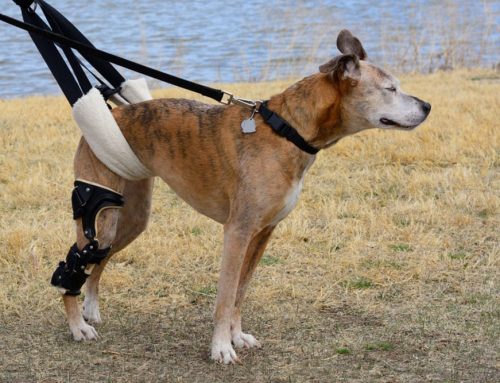
- Wheelchairs and mobility carts for dogs give paralyzed dogs back the ability to run and play. Companies like Walkin’ Pets make custom carts that fit individual dogs, and many dogs adapt within days and continue active lives for years.
- Foot protection for dogs that drag a leg or knuckle, preventing skin damage from contact with the ground.
- Home environment adjustments including non-slip surfaces, ramps for any unavoidable height changes, and easy access to food, water, and resting areas.
Quality of life can be excellent for dogs with significant lasting deficits when their needs are well-supported. Resources for dogs with IVDD like Dodgerslist provide community support for families managing dogs with disc disease, including practical advice from people who’ve walked this path before.
How Do You Reduce the Risk of Recurrence After Recovery?
Once your dog has had one IVDD episode, the risk of future episodes is higher, particularly in chondrodystrophic breeds. The strategies that meaningfully reduce that risk are simple habits:
- Weight management for dogs is the single most controllable risk factor. Even a few extra pounds add significant stress to the spine over time.
- Avoid high-impact activities like jumping off furniture, running down stairs, and playing rough.
- Use ramps and steps for furniture and vehicle access
- Use harnesses rather than neck collars for leash walks, particularly in dogs with cervical disc disease history
- Low-impact exercise and rehabilitation through walks, balance work, and swimming maintains core strength without spinal stress
Our small animal wellness care includes discussion of long-term management strategies for dogs with disc disease history as well as prevention in at-risk breeds.
Frequently Asked Questions About IVDD in Dogs
Will my dog walk again after IVDD?
The answer depends on disease severity, how quickly treatment was initiated, and which type of treatment was pursued. Dogs treated early with appropriate therapy often regain full function. Dogs with severe deficits, particularly those who’ve lost deep pain sensation, have more variable outcomes, but many do recover meaningful function.
How do I know if my dog needs surgery or can be treated conservatively?
Dogs with severe neurological deficits or progressive worsening typically need surgery. Dogs with milder signs who are still walking are often candidates for conservative management. The IVDD stage at presentation guides the conversation, and we’ll discuss the specifics for your dog after evaluation.
Can IVDD come back?
Yes. Once your dog has had one disc herniation, others can occur, particularly in chondrodystrophic breeds. Prevention strategies reduce but don’t eliminate the risk, and any new back pain or weakness in a dog with IVDD history deserves prompt evaluation.
How long does conservative treatment take?
The full conservative protocol typically runs 6 to 8 weeks of strict rest, followed by gradual reintroduction of activity. Most dogs show meaningful improvement within the first 2 weeks of proper rest and pain control.
Should I try the conscious proprioception test if I suspect my dog has IVDD?
It can give you useful information, but it doesn’t replace evaluation. If the test is positive (your dog doesn’t immediately right a flipped paw), the result confirms nerve function is impaired and same-day evaluation is appropriate. If the test is negative, IVDD is not ruled out; pain-only presentations and early disease can show normal proprioception.
Acting at the First Sign of Spinal Symptoms
IVDD is serious, but it’s not hopeless. Outcomes are strongly influenced by the speed of evaluation and the quality of follow-through on the treatment plan, and the dog who is assessed promptly, started on appropriate treatment, and supported through recovery consistently does better than the one where action was delayed. Time matters, and the earlier we can begin treatment, the more options remain available.
If your dog is showing back pain, weakness, reluctance to move, or any of the other signs described above, don’t wait. Our team is here to evaluate, treat, or refer as needed. Contact us and we’ll work through what your dog is dealing with and what comes next.