In a rural community like Soda Springs, the relationship between a veterinarian and a longtime client runs deep. That continuity is one of the most valuable things we can offer when it comes to senior pet care. When we have known a dog since puppyhood, we are the ones most likely to notice the subtle shift in energy that you have started to chalk up to “just getting older” and say, “let’s run some bloodwork and take a closer look.” Senior screening is not about finding problems for the sake of finding them. It is about catching kidney disease before it becomes kidney failure, identifying thyroid changes in a cat before they have developed a heart problem, and measuring blood pressure before the eyes and kidneys start to bear the consequences of untreated hypertension.
At Soda Springs Animal Clinic, our diagnostics include in-house bloodwork, X-ray, and ultrasound, which means thorough senior screening can happen right here close to home. Contact our clinic to schedule a senior wellness visit that goes beyond the basics.
Why a Physical Exam Alone Is Not Enough for Aging Pets
A physical exam tells us a lot. We can identify a heart murmur, feel an abdominal mass, observe muscle loss, or note changes in coat condition. That information is genuinely useful and always part of the picture. But what a physical exam cannot do is tell us that a creatinine level has been quietly creeping upward over two years, or confirm that a thyroid value has crossed a threshold, or detect early cardiac enlargement before your pet has started showing signs of heart disease. For those things, testing is the only way to know.
Preventive testing in senior pets works on a different principle than testing done when a pet is already sick. When a pet is showing obvious symptoms, testing confirms what we already suspect. Preventive testing catches changes in the trajectory of health while they are still early and actionable. A kidney value that crept from 1.4 to 1.7 to 2.1 over three consecutive six-month visits tells a story that a single result of 2.1 cannot.
This is why most veterinary guidelines recommend twice-yearly visits for dogs and cats over seven to ten years old, and why each of those visits should include targeted diagnostics. The senior pet care recommendations from major veterinary organizations reflect decades of research showing that earlier detection consistently produces better outcomes.
What a Comprehensive Senior Screening Includes
The exact panel depends on species, breed, age, and prior results, but core components typically include a complete blood count, chemistry panel, thyroid level, urinalysis, blood pressure measurement, heartworm and tick-borne disease testing for dogs, and imaging when indicated. Our in-house blood analyzers, urine analyzer, digital radiographs, and ultrasound make it possible to complete comprehensive senior screening at a single appointment without waiting days for outside lab results.
What Blood Work Can Tell You About a Senior Pet’s Health
A blood panel provides a window into organ function that no physical exam can replicate, evaluating multiple body systems simultaneously and often identifying issues months or years before a pet shows any outward signs. Blood panels are among the most informative tools we have in senior care.
| Test | What It Measures | What It Can Detect |
| CBC (complete blood count) | Red cells, white cells, platelets | Anemia, infection, immune disorders, bone marrow issues |
| Chemistry panel | Kidney, liver, blood glucose, proteins | Kidney disease, liver disease, diabetes, protein loss |
| Thyroid (T4) | Thyroid hormone level | Hypothyroidism in dogs, hyperthyroidism in cats |
| Urinalysis | Kidney concentration, cells, glucose, infection | Early kidney disease, diabetes, bladder infection |
| Heartworm/tick-borne panel | Antigen/antibody presence | Heartworm, Lyme, Ehrlichia, Anaplasmosis |
Values within the normal range are still informative when compared to prior results. A creatinine that was 1.2 last year and 1.9 this year may technically fall within the reference range, but it represents a 58% increase that warrants close monitoring and likely dietary intervention. That kind of trend is only visible when we test regularly.
Why Blood Pressure Screening Matters
Hypertension in pets is one of those conditions that causes serious damage without making any noise about it. Unlike many illnesses that give you obvious clues, elevated blood pressure often produces no external signs until it has already caused meaningful harm to the kidneys, eyes, heart, or brain.
The conditions most commonly associated with secondary hypertension include chronic kidney disease, hyperthyroidism in cats, and Cushing’s disease in dogs. Blood pressure measurement is a straightforward, non-invasive addition to a senior screening visit, and catching hypertension early means we can start treatment before complications develop.
One of the most serious consequences of uncontrolled hypertension is retinal detachment, which causes sudden blindness. Owners sometimes notice that their cat or dog is suddenly bumping into furniture or seems disoriented, and only then discover that high blood pressure has been silently doing damage for some time. Regular blood pressure screening is what catches it before that point.
What Urinalysis Adds to the Picture
Blood work and urinalysis measure kidney health from two different angles, and together they are considerably more informative than either test alone. Urinalysis evaluates how well the kidneys are concentrating urine, looks for protein, glucose, blood, and white blood cells, and screens for evidence of infection.
A pet with early kidney disease may have blood values still within normal limits but already show decreased urine concentrating ability, which is one of the first functional signs that the kidneys are struggling. Urinalysis can also identify diabetes before blood glucose values become definitively abnormal and can screen for bladder infections or crystals in the urine for cats who are prone to urinary tract disease.
Urine samples can be collected here at the clinic or brought in from home, and results are available quickly with our in-house urine analyzer.
When Imaging Becomes Part of Senior Screening
Blood work and blood pressure tell us how organs are functioning. Imaging tells us what they look like structurally. Both perspectives are necessary for thorough senior care.
Radiography is the most common imaging tool in senior screening. Chest X-rays evaluate heart size, lung tissue, and blood vessel changes that signal early cardiac or pulmonary disease. Abdominal X-rays screen for changes in organ size, calcification, masses, and abnormal gas patterns. Our digital radiographs allow high-quality images to be reviewed immediately during the appointment.
Ultrasound adds a different dimension entirely, allowing us to visualize internal structure in real time without radiation. It is especially valuable for evaluating the liver, spleen, kidneys, adrenal glands, and bladder in detail, and for identifying masses that would not be apparent on X-ray. When a chemistry panel shows elevated liver enzymes or a physical exam reveals an enlarged spleen, ultrasound is usually our next step.
Screening for Heart Disease Before Symptoms Start
Cardiac disease is common in senior pets and often develops gradually over years before producing the coughing, exercise intolerance, or labored breathing that most owners associate with a heart problem. Catching heart disease at an early, manageable stage opens up more treatment options and significantly changes the prognosis.
| Cardiac Test | What It Evaluates | Best Used For |
| Chest X-ray | Heart size, lung fluid, vessel changes | Screening and monitoring cardiac enlargement |
| Echocardiogram | Heart structure and function, valve motion | Characterizing known or suspected disease |
| NT-proBNP | Cardiac stress biomarker in blood | Early detection before enlargement is visible |
| ECG/EKG | Electrical activity, rhythm | Arrhythmia evaluation |
All of these tests are non-invasive and well-tolerated by senior patients.
Common Conditions Senior Screening Helps Identify
Thyroid Disease in Dogs: Hypothyroidism
Hypothyroidism is one of the most common hormonal disorders in middle-aged and senior dogs, and the good news is that it is very treatable once identified. It occurs when the thyroid gland produces insufficient hormone, slowing metabolism throughout the body.
Signs can include unexplained weight gain, persistent low energy, cold intolerance, a thinning or dull coat, and recurrent skin infections. Because these changes come on gradually and overlap so naturally with normal aging, they are easy to attribute to “just slowing down.” A thyroid level in routine bloodwork answers the question definitively, and most dogs on daily thyroid supplementation show significant improvement within six to eight weeks.
Thyroid Disease in Cats: Hyperthyroidism
Cats tend to develop the opposite problem. Feline hyperthyroidism involves an overactive thyroid gland that produces excess hormone, essentially putting the metabolism into overdrive. The most common cause is a benign thyroid tumor.
Signs include weight loss despite a ravenous appetite, hyperactivity, increased vocalization, an unkempt coat, vomiting, and sometimes diarrhea. Hyperthyroidism also drives secondary hypertension and can mask underlying kidney disease, both of which we factor in carefully when planning treatment. Options include daily medication, a prescription iodine-restricted diet, radioactive iodine therapy, or surgery.
Kidney Disease: The Condition Most Often Caught Late Without Screening
Chronic kidney disease is common in both dogs and cats, but especially prevalent in cats over ten years old. The kidneys have a remarkable amount of reserve capacity, which sounds reassuring until you realize it means blood values often remain within normal limits until approximately 75% of kidney function is already lost. By the time a cat is showing increased thirst, reduced appetite, weight loss, and vomiting, the disease is significantly advanced.
The combination of urinalysis and blood chemistry can identify early kidney disease while there is still meaningful reserve to protect. Early intervention includes dietary change to a kidney-supportive food, blood pressure management, hydration support, and in cats, careful management of any concurrent hyperthyroidism. Pets diagnosed early and managed consistently often maintain a good quality of life for years.
Heart Disease: More Common Than Most Owners Realize
The most common cardiac disease in small breed dogs is mitral valve disease, a degenerative condition where the mitral valve progressively fails to close completely, causing blood to leak backward with each heartbeat. Large breed dogs are more prone to dilated cardiomyopathy, where the heart muscle weakens and chambers enlarge. In cats, hypertrophic cardiomyopathy, a thickening of the heart muscle, is the most frequently diagnosed cardiac disease. All three tend to progress silently in their early stages.
With early detection and appropriate heart disease treatment, many pets with cardiac disease live comfortably for years after diagnosis. The key is finding it before the body runs out of ways to compensate.
Cancer: When Early Detection Changes Everything
Cancer is unfortunately common in senior pets, and routine imaging through senior screening contributes meaningfully to early detection. Hemangiosarcoma in dogs most commonly affects the spleen and can cause sudden internal bleeding if not caught early; abdominal ultrasound as part of a senior screening panel can identify splenic changes before rupture occurs. Osteosarcoma is the most common bone cancer in dogs, typically presenting as lameness and localized swelling, with radiography used for diagnosis and staging.
Lumps and bumps should be aspirated and looked at under a microscope to evaluate for cancerous cells; if they are caught when small, many can be removed before they cause serious issues. Any new lump, area of swelling, or unexplained lameness in a senior pet deserves evaluation rather than a wait-and-see approach. Our small animal diagnostics include cytology of masses to help determine whether a growth requires further workup.
Liver Disease: Often Found Before Symptoms Appear
Liver disease is one of the conditions we most consistently identify through blood work before any outward signs develop. Elevated liver enzymes on a chemistry panel prompt further evaluation, which may include additional liver function tests, imaging, or biopsy depending on the degree of elevation and the overall clinical picture. When changes are caught early, dietary management, liver-supportive medications, and treatment of any underlying cause can meaningfully slow progression.
Arthritis and Joint Pain: Managing the Most Common Senior Condition
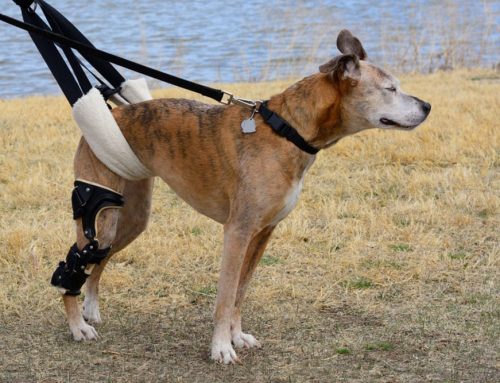
Most senior pets experience some degree of joint discomfort, and the options for managing it have expanded considerably in recent years. Joint supplements including glucosamine and chondroitin support cartilage health and are a reasonable foundation for most senior dogs. Laser therapy uses focused light energy to reduce joint inflammation and support tissue repair. For cats, Solensia is a monthly injection targeting the nerve growth factor involved in pain signaling, a meaningful advance in feline pain management. Librela provides the same mechanism of action for dogs.
Our online pharmacy carries hip and joint supplements in a variety of formulations that work for even the pickiest pets.
Dental Disease: The Whole-Body Problem Right in Plain Sight
Dental care is one of the highest-impact things an owner can do for a senior pet’s overall health, yet it is frequently the most overlooked issue at wellness visits. By the time a pet is eight or ten years old, significant periodontal disease is common, and the bacteria from infected teeth do not stay in the mouth. They enter the bloodstream and contribute to kidney, liver, and cardiac disease over time.
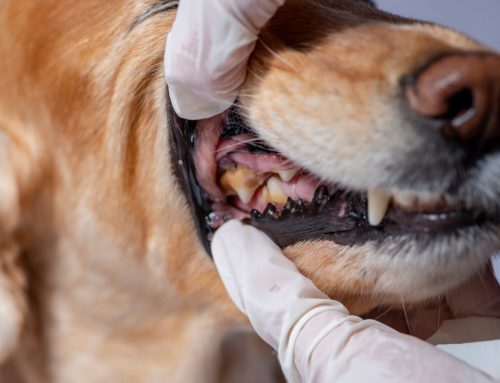
Signs that dental attention is overdue include persistent bad breath, reluctance to eat hard food, dropping food, pawing at the mouth, or visibly discolored or broken teeth. Professional cleaning under anesthesia remains the only way to address disease below the gum line, take dental X-rays, and address teeth that need extraction. Pre-anesthetic bloodwork, which we include as part of dental procedure preparation, confirms that your pet is safe to anesthetize and helps us tailor the anesthetic protocol appropriately.
Our small animal dental care services include full-mouth dental radiographs, scaling above and below the gumline, and oral surgery when needed, all with dedicated anesthesia monitoring throughout.

Frequently Asked Questions About Senior Pet Screening
How often should a senior pet be screened?
Most guidelines recommend twice-yearly comprehensive exams with diagnostics for dogs and cats over seven to ten years, with frequency adjusted based on individual health status. A pet managing a chronic condition like kidney disease may need more frequent bloodwork monitoring between those visits.
What are early signs that a pet is due for screening?
Any behavioral change worth noting: drinking more, sleeping more, moving more slowly, reduced appetite, changes in elimination habits, or unexplained weight change. These are the signs that most often come just before a diagnosis found through screening.
Does my pet really need imaging if bloodwork looks normal?
Sometimes yes. Blood work evaluates organ function, but imaging shows us structure. A mass can be present and causing problems without affecting routine blood values, and cardiac enlargement can begin before it produces measurable changes in blood markers. Imaging adds a layer of information that blood work alone cannot provide. We may recommend imaging if your pet is a breed that’s at a higher risk of heart disease or certain cancers.
Proactive Care for the Years That Matter Most
Senior screening is not a test of whether something has gone wrong. It is the ongoing process of staying informed about how your pet is doing internally, before the body runs out of ways to compensate. The pets who do best in their senior years are almost always the ones whose owners committed to regular monitoring and early intervention.
We are here to provide exactly that kind of care for the Soda Springs community. Schedule a senior wellness exam to build a screening plan appropriate for your aging pet, or contact us with any questions about what proactive senior care looks like in practice.