Raising a Confident Pet: Why Socialization and Early Training Prevent Anxiety in Dogs and Cats
Raising a confident, well-adjusted dog or cat takes more than good nutrition and regular vet visits. It takes intentional early experiences. Between roughly 3 and 14 weeks of age, puppies and kittens go through a socialization window when they are naturally open to new people, animals, sounds, and surfaces. Positive exposure during this period teaches them that the world is a safe place, and that foundation carries into adulthood. Pets that miss this window, or have negative experiences during it, are much more likely to develop anxiety, fearfulness, reactivity, and destructive behaviors later on.
At Soda Springs Animal Clinic, we see firsthand how early socialization makes a difference in the pets we care for throughout their lives. Our wellness care visits for puppies and kittens include conversations about behavior, not just vaccines and parasite prevention. We believe that empowering you with the right knowledge early on leads to healthier, happier pets for years to come. Contact us at (208) 547-4981 to schedule an early wellness visit for your new puppy or kitten.
Why Does the Socialization Window Matter So Much?
The socialization window is not just an important period- it is the most influential one in your pet’s life. Research on socialization consistently shows that experiences during the first weeks of life have a disproportionate impact on adult temperament.
A puppy who meets friendly strangers, experiences different floor surfaces, hears loud noises without distress, and encounters well-socialized dogs during this window learns that novelty is manageable. A puppy who never leaves the house during this period learns the opposite. Fear is not a personality trait; it is largely a learned response to perceived uncertainty.
Understanding canine body language and feline body language starts during this period too. Learning what relaxed, curious, and anxious look like in your specific pet gives you the ability to guide exposures appropriately.
Signs of Confidence vs. Anxiety in Pets
| Confident Signs | Anxious Signs |
| Relaxed, loose posture | Stiff or tucked posture |
| Tail neutral or wagging freely | Tail tucked or rigid |
| Soft eyes, relaxed ears | Pinned ears, whale eye (visible whites) |
| Approaches novelty with curiosity | Retreats from or freezes at novelty |
| Recovers quickly after startle | Slow to recover, sustained vigilance |
| Normal eating and play | Appetite or play changes with stress |
What Does Good Socialization Actually Look Like?
Good socialization is not about flooding a puppy or kitten with overwhelming experiences. It is about providing positive, controlled introductions that build confidence rather than stress. The goal is to pair new things with something enjoyable, so novelty becomes associated with good outcomes.
Common behavior issues in adult dogs, including leash reactivity, resource guarding, separation anxiety, and fear of strangers or other dogs, frequently trace back to a socialization gap or a negative experience during the critical period that was never addressed.
Practical socialization targets:
- Different types of people: different ages, appearances, and ways of moving
- Other friendly, vaccinated dogs and cats
- Different floor surfaces: tile, carpet, gravel, grass, metal grates
- Sounds: traffic, fireworks recordings, appliances
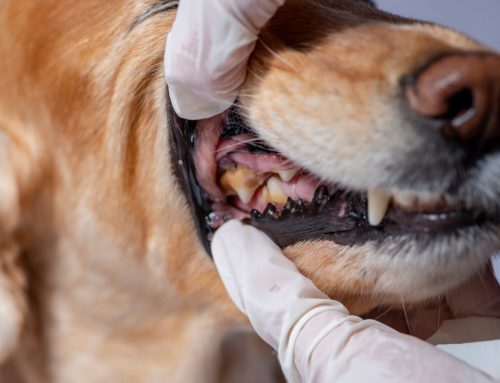
- Handling: ears, feet, mouth, being picked up
- Car rides and travel experiences
- Veterinary-type handling (touching everywhere, examining ears, restraint practice)
For kittens, home-based socialization matters even more since cats are less portable than dogs. Regular gentle handling, exposure to carrier and travel, and introductions to the sounds and smells of a busy household build the foundation for a cat who tolerates the world with curiosity rather than panic.
What Are the Best Early Socialization Strategies?
Intentional structure makes socialization far more effective than hoping random positive encounters happen on their own.
Puppy Classes
Puppy classes that require vaccinations and focus on positive interactions provide a structured, safe environment to practice socialization. These classes teach foundational behaviors while providing supervised off-leash interaction with other puppies in a managed setting. The American Veterinary Society of Animal Behavior supports attending puppy classes even before the full vaccine series is complete, because the behavioral benefit outweighs the disease risk in controlled settings.
Carrier and Leash Training
Carrier training for cats transforms the carrier from a source of dread into a comfortable, neutral space. Leaving the carrier open at home, placing familiar bedding and treats inside, and feeding meals near or in the carrier gradually builds a positive association. This one habit makes veterinary visits, travel, and emergencies significantly less stressful for everyone involved.
Loose-leash walking can start even before your puppy is ready to walk outside. Start with positive exposures to leashes and harnesses by giving treats when they willingly put their head through. Walk around your home while leashed; when your puppy hits the end of the leash, stop walking. When they give slack on the leash or look back to you, reward them and move forward again. With practice, they’ll learn that a tight leash means no forward movement.
Exposure to Movement
Many dogs develop fear responses to cyclists, skateboards, and vehicles because they were never properly exposed during the socialization window. Calm, rewarded exposure to moving objects while at a comfortable distance builds tolerance for what will be a daily feature of outdoor life. Give them time to sniff bikes and skateboards, as well as wheelchairs, strollers, and other wheeled objects.
Why Does Training Approach Matter for Anxiety Prevention?
Training is not just about teaching commands- it is about the relationship and trust built through the training process. That relationship directly affects anxiety levels long-term.
Why Reinforcement Builds Trust
Positive training rewards the behaviors you want to see, making them more likely to be repeated. This approach builds a relationship where your pet willingly offers good behaviors because they have learned it leads to something enjoyable. We want to teach them the right thing to do- not simply say “No!” or punish them for something they shouldn’t do.
Aversive methods suppress behavior through discomfort. The behavior may look controlled, but the underlying anxiety that drives it is not addressed. Shock collars, spray bottles, pinch or prong collars, and physical punishment teach your pet that exposure to something they’re curious or worried about- like a passing dog or loud noise- results in pain or negativity. Pets trained with punishment are more likely to develop fear-based aggression and generalized anxiety than those trained with positive reinforcement. They may also begin to associate that punishment directly with you, eroding trust and their bond. Loose-leash walking, recall, basic household manners, and handling tolerance all build more reliably through reward-based approaches.
Routines Create Safety
Predictable patterns for mealtimes, walks, rest, and play help pets feel secure and reduce anxiety around transitions or unexpected changes. This is particularly important for cats, who are highly sensitive to routine disruption. When schedules change, providing familiar enrichment and extra interactive time helps maintain stability.
How Can I Reduce Fear at the Vet and During Grooming?
Cooperative care teaches pets to participate in their own care rather than endure it. Starting at home with practice touching ears, feet, and mouths, rewarding stillness and calm behavior during handling, and simulating veterinary examination on puppies and kittens before they ever need it creates a dramatically different experience at the clinic.
Preparing for vet visits at home makes each visit more manageable and allows us to do a better job when we see your pet. A cat who tolerates ear examination calmly reveals more clinically useful information than one who is too stressed to assess. Ask our team during wellness visits for specific handling exercises matched to your pet’s current level of tolerance.
What Is My Pet Trying to Tell Me?
Body language communicates fear and discomfort long before vocalizations like growling or hissing appear. Recognizing stress signals including yawning, lip licking, pinned ears, and weight-shifting allows you to intervene before stress escalates. The stress ladder is a useful framework for understanding how anxiety escalates and what each stage looks like.
Punishing stress signals (growling, hissing, low-level warning behaviors) removes the warning without removing the fear. A pet who is punished for warning may skip the warning entirely in the future and go straight to biting. Respecting early signals and creating distance from the trigger is both safer and more effective. It also teaches them to trust you- that’ll you’ll listen when they are worried, and help them feel more comfortable.
How Do I Prevent Specific Anxiety-Driven Behaviors?
Most common behavior problems in adult pets have roots in anxiety or inadequate early experience. Addressing them early, or catching them at the first sign, is far easier than working backward from an established pattern.
Reactivity
Reactive behavior toward other dogs, strangers, or vehicles is largely preventable with appropriate early exposure. Reactivity is rarely “aggression”- it’s actually fear. For dogs who are already showing reactivity, engage-disengage training reframes encounters as opportunities to disengage for a reward rather than react. This teaches them to look to you for guidance when they see something that triggers their fear, rather than jumping straight to barking or lunging.
Resource Guarding
The trade game teaches dogs that giving things up leads to something better, and prevents the guarding behavior that can develop when pets have been punished for having items or have had things taken without replacement. Start this game early before guarding becomes a habit. There’s bad advice about taking away food or toys, or “messing” with their dinner to teach them not to guard it; the better method is to add positivity to the situation. If you touch their dinner after giving it, add a treat to it. If you need to take away the remote they are chewing on, replace it with a kong stuffed with food.
Separation Anxiety
Separation anxiety develops when a pet has not learned to feel safe when left alone, and it is one of the more common consequences of a socialization gap during puppyhood. Signs include destructive behavior, house-training accidents, excessive vocalization, or frantic greetings that go well beyond normal excitement. The key is teaching independence gradually, starting early, before the pattern is established.
Practice short departures and returns without fanfare, keeping greetings calm so arrivals do not become the high point of your pet’s entire day. Build up the duration of alone time incrementally rather than jumping straight to a full workday. Providing a stuffed Kong or a long-lasting chew before you leave gives your pet something positive to associate with your departure.
Noise Aversion
Noise aversion to storms, fireworks, and sudden loud sounds affects a significant percentage of dogs. For some pets, they respond by hiding or acting quiet. Others will urinate and defecate or injure themselves while destroying your home trying to find a way to escape from the noise. Desensitization recordings during puppyhood, combined with play and calm responses from you rather than excessive reassurance, lay the groundwork for a more resilient adult.
Multi-Pet Households
Multi-pet tension frequently stems from inadequate resources and territory. Providing sufficient litter boxes (one more than the number of cats), separate feeding stations, and vertical spaces that allow cats to maintain comfortable distances reduces conflict significantly. Make sure there are enough toys and waterbowls to go around, and that all pets get individual attention.
Does Enrichment Help With Anxiety?
Yes. Dog enrichment and cat enrichment satisfy instinctual needs that, when unmet, express as destructive or anxious behavior. A dog who chews furniture is frequently a dog who needs more outlets for chewing and exploration. A cat who scratches inappropriate surfaces needs appropriate scratching surfaces and vertical territory.
Sniff walks that allow dogs to follow their nose provide mental stimulation proportionally more tiring than physical exercise alone. Cat furniture and catios provide territory and environmental complexity for indoor cats. Training works their brain and gives them better coping skills. Sufficient play time and exercise releases happy endorphins that result in naps instead of mischief.
You don’t need to spend a fortune on toys and puzzles to provide great enrichment. Snuffle mats, treats in cardboard boxes, hide and seek, and other DIY activities for dogs and cats go a long way.
For pets who need additional calming support alongside behavioral work, our pharmacy carries dog calming agents, ThunderEase Calming Diffuser and Calming Collar, Feliway for cats, Composure Pro chews for dogs, Composure chews for cats, Solliquin anxiety chews, and a full range of pheromone products.
When Should Behavior Changes Prompt a Vet Visit?
Sudden shifts in behavior, including new aggression, withdrawal, hiding, or destructive activity in a previously well-adjusted pet, should always begin with a medical evaluation. Pain, neurological changes, hormonal shifts, and sensory decline (hearing or vision loss) can all produce behavioral changes that look like anxiety or aggression. Our diagnostics help rule out medical contributors before a behavior plan is implemented.

Frequently Asked Questions
When does the socialization window close?
For puppies, the primary socialization window closes around 12 to 14 weeks. For kittens, it closes somewhat earlier, typically around 9 to 12 weeks. This does not mean socialization stops mattering after that point, but the ease and depth of new associations formed during the window is significantly greater than at any other time.
What if I missed the socialization window with my pet?
Adult dogs and cats can still learn and improve through positive, systematic desensitization and counter-conditioning, but it typically requires more time and patience than early socialization would have. For significant fear or anxiety in an adult pet, a consultation with our team is a good starting point to rule out medical causes and discuss whether a certified trainer or veterinary behaviorist referral would help.
How do I know if my pet’s behavior is anxiety or just personality?
Fear and anxiety are not personality traits- they are largely learned responses to perceived uncertainty. If your pet consistently avoids certain experiences, shows stress signals (yawning, licking lips, freezing, low tail) in specific contexts, or has increased in these behaviors over time, that pattern warrants evaluation. True temperament differences exist, but anxiety is something that can be addressed.
At what age should I start training my puppy or kitten?
As early as possible- even eight-week-old puppies can learn basic behaviors through positive reinforcement. The goal in the early weeks is not complex command obedience but building the foundational habits of looking to you for guidance, tolerating handling, and associating learning with enjoyment.
Are calming products a substitute for training and socialization?
No, but they can be a useful adjunct. Calming products reduce the physiological anxiety response enough to allow learning to occur more effectively, but they do not replace the experience-based learning that builds genuine confidence. They work best as support alongside behavioral work, not as a standalone solution.
Starting Early Makes Everything Easier
The confidence and resilience built through early socialization, consistent positive training, and enriched daily routines pay dividends across a lifetime. Veterinary visits become easier. Travel is tolerable. New experiences are interesting rather than threatening. And the relationship you build through positive, trust-based guidance is one that strengthens every year. Anxiety problems that require medication and behavioral intervention as adults are largely preventable with the right start.
Contact us at (208) 547-4981 or visit us in Soda Springs to schedule your new puppy or kitten’s wellness care visit and get started on the right path together.