Your pet's allergic reaction could be a long-running flare-up or a true emergency, and the details you give us on the phone are usually what sort one from the other. Some pets have chronic allergies that flare for years and never turn dangerous. Some show hives or a swollen face and need care today. A few are in anaphylaxis, where breathing gets hard and the gums go pale within minutes, and there is no room to wait and see. Summer runs short in Soda Springs, so pollen, cut grass, and stinging insects all land in the same few weeks, and reactions of every kind stack up in that stretch.
Soda Springs Animal Clinic keeps room for urgent cases Monday through Friday and on Saturday mornings, and a call ahead lets us prepare or give you guidance. When itching has gone on for months, cytology and in-house lab work show us whether yeast or bacteria have moved into the ears or skin and help rule out the other problems that look like an allergy. Reaction history to vaccines and medications is something we go over at every wellness visit, so it is on the chart before anything new is given. If your pet's face is swelling, hives came on fast, or if your pet is struggling to breathe, call and tell us what you are seeing. When we are closed, you’ll be directed to our 24/7 veterinarian on call.
The Three Speeds of an Allergic Reaction
- Chronic itching, hives, and anaphylaxis are three speeds of the same immune problem, and each one calls for a different response time.
- Hives, a puffy muzzle, or a sting near the mouth deserve a same-day call, because a mild reaction can keep building for hours.
- Anaphylaxis looks different by species: dogs usually vomit, weaken, and collapse, while cats go straight to labored breathing.
- Long-term allergies are controlled rather than cured, and a layered plan of parasite prevention, topicals, and medication keeps flares short.
What Sets Off an Allergic Reaction in Dogs and Cats?
Most reactions trace back to one of four sources: environmental allergens, food proteins, insect bites and stings, or a vaccine and medication reaction, and plenty of pets react to more than one thing.
- Environmental allergens: Atopic dermatitis is an overreaction to what a pet breathes in or walks through, pollen, grass, mold, and dust mites, and it usually starts as a seasonal itch before stretching into a year-round one. Around here that first wave arrives all at once when the fields green up.
- Food proteins: A true food allergy targets one specific protein, most often beef, dairy, chicken, or egg. Dinner shows up every day, so these pets have no off-season, and some have soft stool or gas alongside the skin signs.
- Insects and parasites: Flea bites are the single most common allergic trigger in cats and a frequent one in dogs, and the itch far outlasts the bug. Bee and wasp stings sit at the opposite end, with swelling that comes up in minutes and can progress to anaphylaxis.
- Vaccines and medications: A sore injection site or a sleepy afternoon afterward is normal, but facial swelling, hives, vomiting, or labored breathing in the hours after shots are vaccination reactions that need a phone call rather than a wait-and-see night. Antibiotics, flea products, and pain medications can do the same. These reactions are rare, but worth watching for.
How Do I Know If This Is an Emergency or Not?
Three things sort the urgency: how fast the signs came on, whether breathing is involved, and whether the whole animal seems off rather than just the skin. Itching that's dragged on for months can wait for an appointment. A face that swelled up this afternoon can't.
| Tier | What you're seeing | What to do |
| Schedule it | Months of scratching, chewed feet, gunky ears, thinning fur, repeat skin infections | Book a workup this week |
| Same day | Hives, puffy muzzle or eyelids, a fresh sting, a hot spot that appeared overnight | Call us today |
| Right now | Labored or open-mouth breathing, pale or gray gums, vomiting with weakness, collapse | Come straight in, or go to the nearest emergency hospital if we're closed |
On the drive in, check gum color and watch the chest rise, because pale or bluish gums mean oxygen and circulation are already failing. Note the time things started and what your pet was exposed to. Never give a human combination antihistamine, since the decongestants and pain relievers mixed in can be toxic. Do not induce vomiting. And skip the wait-and-see hour on a swelling face, because that hour is where reactions escalate.
What Does a Long-Running Allergy Look Like in Dogs and Cats?
Chronic allergic disease shows up as skin and ear trouble that keeps coming back, not as one dramatic event. The itch drives licking and scratching, the damaged surface picks up yeast and bacteria, and that infection itches even more. The loop, rather than the original allergen, causes most of the misery.
Not every itchy pet is allergic, either. Sarcoptic mange, Cheyletiella, and ringworm cause the same frantic scratching, and all three can spread to other pets and sometimes to people, so a skin scraping and cytology come before any long-term allergy plan.
Chronic Skin Reactions in Dogs
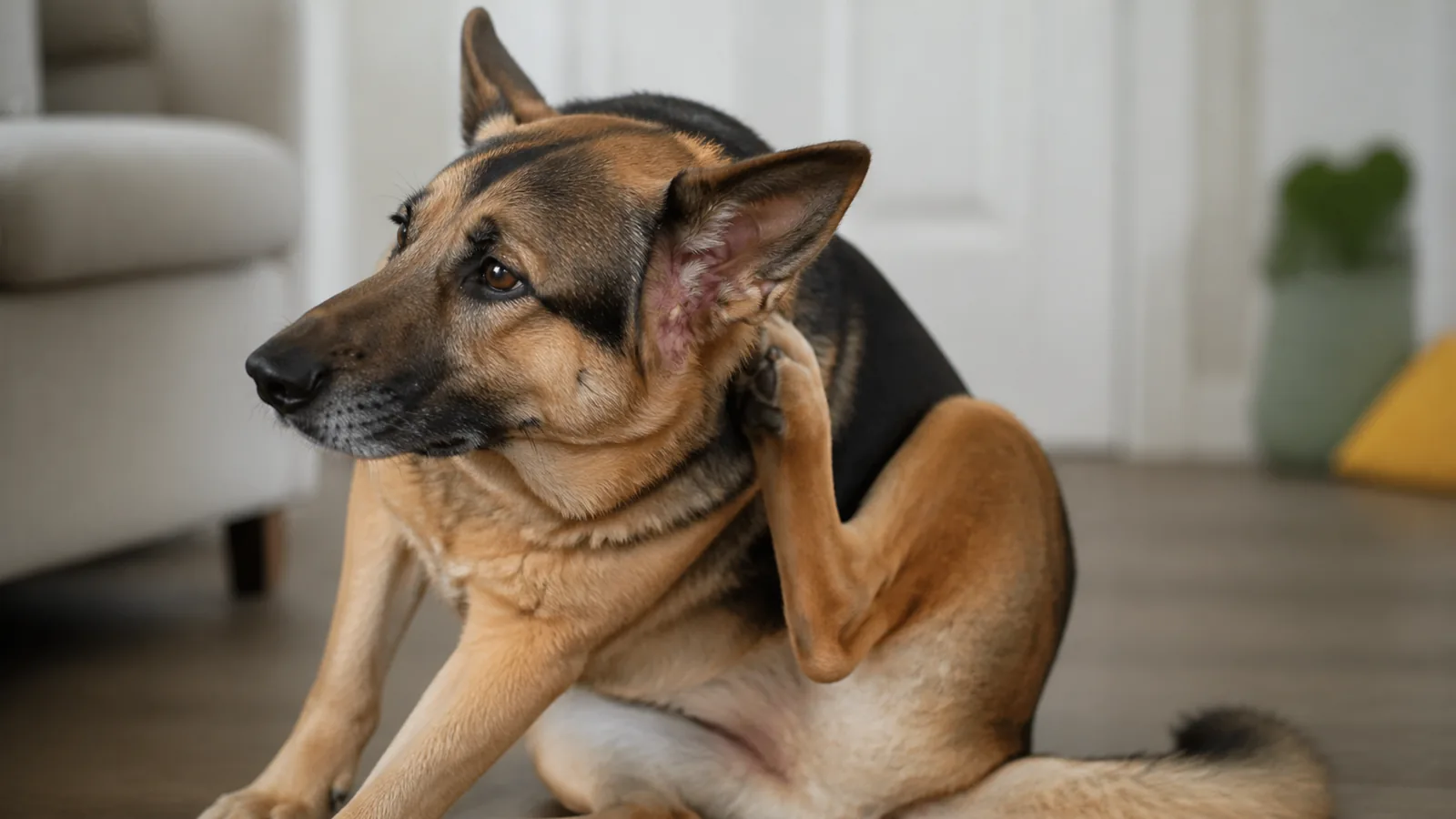
Dogs itch in predictable places: paws, armpits, groin, belly, muzzle, and ears. Pododermatitis is the version that settles between the toes, where the webbing goes red, puffy, and stained a rusty brown from constant licking. Licking one itchy patch raw can turn into hot spots within hours, oozing painful areas of infected skin that spread under the fur faster than most families expect. Chronic otitis externa, the inflamed outer ear canal that keeps returning after every course of drops, is an allergy problem far more often than an ear problem.
Chronic Skin Reactions in Cats
Cats groom in private, so overgrooming usually announces itself as symmetrical thin patches along the belly, flanks, or inner thighs, with fur that looks broken off rather than fallen out. Miliary dermatitis is the second pattern, dozens of tiny crusty bumps you feel before you see them, scattered along the back and around the neck. The third is eosinophilic granuloma complex, raised pink or yellow lesions on the upper lip, the belly, or the back of the thighs. A swollen upper lip on a cat isn't a bite. It's usually an allergy.
When Do Hives, Swelling, or a Sting Need Us Today?
Fast onset is the trigger for a same-day visit. Hives come up as raised welts that puff through the coat within minutes to hours of exposure, often around the muzzle and eyes first, and they can be the opening act of a reaction that is still building. Allergic bronchitis in dogs and feline asthma both flare when a trigger hits the airway, and both can escalate over a few hours from an occasional cough to real distress. Open-mouth breathing in a cat is never normal, no matter how hot the day is.
Stings cross from manageable to urgent based on location and number: a sting inside the mouth, on the tongue, or in the throat swells into the airway, multiple stings deliver enough venom to cause a body-wide response, and any sting followed by vomiting, weakness, or hives spreading past the site has stopped being local.
What Happens When an Allergic Reaction Becomes Anaphylaxis?
Anaphylaxis is a whole-body reaction that drops blood pressure and can close down breathing within minutes of exposure. It's the one tier with no wait-and-see window at all. Instead of the swollen face people picture, anaphylaxis in dogs usually opens with sudden vomiting, diarrhea, weakness, and collapse, a gastrointestinal crash that gets mistaken for bad food until the gums go pale. Cats route it to the lungs instead, with severe respiratory distress leading the way: open-mouth breathing, wheezing, and drooling, sometimes alongside vomiting and itching around the face. A cat panting like a dog after a sting or an injection is in trouble and needs to be in the car now.
How Emergency Treatment Works
Treatment moves fast and in a set order. Epinephrine goes in first to reverse the airway swelling and lift blood pressure, an IV catheter goes in for fluid support, and antihistamines and corticosteroids follow to blunt the rest of the immune response. Oxygen goes on early because respiratory distress can build while the rest of the reaction is still being treated, and a pet working that hard to breathe has no reserve left to spend. Once the crisis is controlled, we can run bloodwork and ultrasound on site to see how the organs handled the drop. A reaction can rebound hours after everything looks fine, so these patients stay under observation well past apparent recovery.
How Do We Treat Chronic Allergic Skin and Ear Disease?
Chronic allergy management works in layers: clear the secondary infection, shut down the itch, then treat the underlying allergy so those infections stop returning. Any one layer on its own tends to fail, which is why a pet on a single medication so often lands back in the exam room. The first layer needs a microscope. Ear and skin cytology tells us whether yeast, bacteria, or both have set up shop, and it separates an allergic ear from a mite infestation or a foreign body. Our in-house diagnostics mean we can look at the sample while your pet is still on the table.
Why Topical Therapy Does So Much of the Work
Medicated topicals are the most underused tool in allergy care, and regular use means many pets need less oral medication overall.
- Bathing: Medicated shampoo needs at least ten minutes of contact time to do anything. Lather, then set a timer and wait. Rinsing too early means it won’t work.
- Between baths: Sprays, mousses, and wipes handle spot treatment on the days a full bath isn't happening, which is most days.
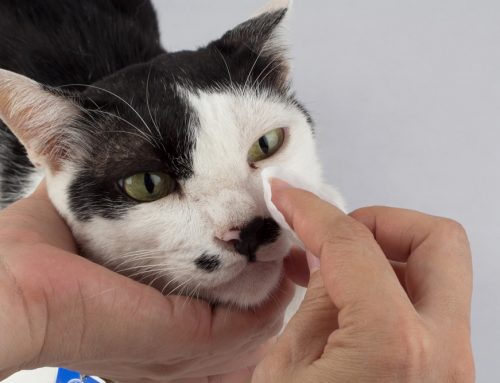
- Problem zones: Facial folds, feet and the webbing between the toes, the belly, and the ears collect allergens and moisture, so those are worth a routine wipe or rinse, along with an ear cleaner used on a schedule rather than only when the ears smell.
We'll match the shampoo, mousse, or wipe to what's actually growing on the skin instead of sending you home with a guess.
Prescription Options and How They Fit Together
Most allergic pets use more than one medication over their lifetime, and often more than one in a single year, because symptoms rise and fall with the seasons.
| Option | How it's given | Where it fits |
| JAK inhibitors (Apoquel, Zenrelia, Numelvi) | Daily oral | Fast itch relief, useful for flares and for long-term control |
| Cyclosporine (Atopica) | Daily oral, slow onset | Immune modulation for pets who need year-round coverage |
| Corticosteroids | Short oral or injectable course | Acute flares that need relief immediately |
| Antihistamines | Daily oral | A subset of pets, mild cases, and preventive use before exposure |
| Cytopoint | Injection given every four to eight weeks | Blocks the itching signal, best for environmental allergies, dogs only |
For the rare patient with a documented history of severe anaphylaxis, an epinephrine auto-injector kept at home is worth discussing. Which combination fits your pet depends on species, age, other conditions, and what your household can realistically keep up with, and our veterinarians will map that out with you.
What Can Pet Families Do at Home Between Visits?
Steady parasite prevention, regular grooming, and a few household habits are the home care that counts. None of it replaces medication, but together it lowers how much a pet needs.
- Parasite prevention: One bite is enough in a sensitized pet, and flea allergy dermatitis can drive weeks of scratching from a flea that was gone before the itching ever started. Prevention stays in place year-round even for pets whose main trigger is something else, and parasite screening during routine wellness care tells us whether anything is slipping through.
- Grooming and cleaning: Brushing pulls pollen out of the coat before it can be licked off, and a damp cloth over the paws, face, and belly after a walk takes care of what the brush missed. A HEPA filter in the room where your pet sleeps and hot-water washing of bedding cut down dust mite and mold exposure, which matters most for the cat who never goes outside and still itches in February.
- Omega fatty acids: These support the skin barrier and dial back inflammation over months rather than days, so they're a long-game addition rather than a rescue.
Can Allergies Be Cured, or Only Kept Under Control?
There's no cure for allergy, and anything marketed as one is overselling. What exists is good control, and two approaches go after the cause instead of the symptoms. Trigger identification comes from intradermal skin testing or a serum blood panel, and immunotherapy is built from those results, given as under-the-tongue drops or injections. Immunotherapy retrains the immune system over twelve to eighteen months, with up to eighty percent of pets showing a meaningful drop in symptoms. Skip the hair and saliva kits sold direct to consumers, which have repeatedly failed validation studies.
Food allergy runs on a different track. An elimination diet trial is still the only dependable way to confirm one: eight to twelve weeks on one diet built on a novel or hydrolyzed protein, with no treats, flavored chews, or table scraps, capped by a planned reintroduction at the end. Novel means a protein your pet has never met, rabbit or kangaroo for instance, while hydrolyzed means the protein has been broken into pieces too small for the immune system to recognize. Over-the-counter limited-ingredient foods don't work for this purpose, since shared manufacturing lines leave trace proteins behind. Blood testing for food allergy isn't reliable either, so the diet is both the test and the treatment. Rechecks matter through a trial and through the first year of immunotherapy, and our wellness plans make those follow-ups easier to keep on the calendar.
Allergy Questions Pet Families Ask Us Most
Can I give my dog Benadryl at home?
Plain diphenhydramine has a place in some plans, but weight and your dog's other medications set the dose, so check with us before the first one. Never use a combination cold or sinus product, since the added ingredients are the dangerous part. And an antihistamine will not stop anaphylaxis, so it's never a substitute for driving in when breathing or gum color has changed.
Why does my cat still itch in the middle of winter?
Indoor life comes with its own allergens. Dust mites live in bedding and carpet year-round, mold grows in damp basements regardless of season, and a warm house keeps fleas cycling long after the yard freezes. Food allergy also ignores the calendar completely. A cat who itches through a Soda Springs winter usually points us toward indoor triggers, food, or fleas rather than pollen.
Will my puppy or kitten outgrow allergies?
Environmental allergies usually announce themselves between six months and three years of age, and the pattern tends to broaden over time rather than fade. A young dog who reacts to one summer grass often reacts to several things by age four. The good news is that early management changes the trajectory, because a pet whose skin stays intact avoids the repeated infections that make older allergic pets so much harder to keep comfortable.
You Don't Have to Figure Out Your Pet's Allergies Alone
Allergic disease is frustrating in a specific way: it comes back, and it comes back on its own schedule. Most pets settle into a comfortable routine once we stop chasing each flare individually and build a plan that addresses the cause, and that plan comes together over a few visits rather than one.
Whatever tier you're looking at right now, whether it's itching that's worn everyone down or swelling that came up an hour ago, book a visit at Soda Springs Animal Clinic and we'll sort out what's driving it and what to do next.