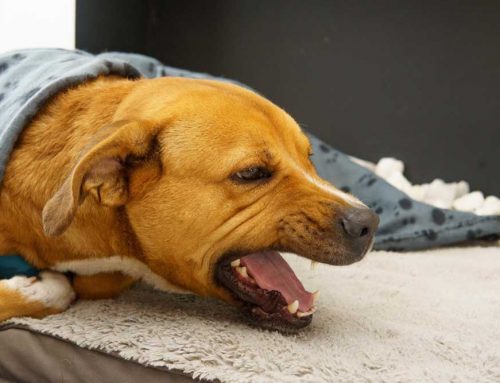
When a pet is having trouble breathing, the answer to “should I wait and see?” is almost always no. Breathing changes in dogs and cats can range from mild and manageable, like a brachycephalic dog’s typical snoring, to genuinely life-threatening within minutes, as in acute heart failure or a severe asthma attack. The challenge is that the two can look deceptively similar at first glance: a pet working hard to breathe, breathing faster than usual, or breathing with their mouth open when they normally would not. Because the stakes are high and the window is short, erring toward being seen is almost always the right call.
At Soda Springs Animal Clinic, we handle urgent care during open hours and carry the diagnostic tools needed to start evaluating a pet in respiratory distress, including digital radiography, ultrasound, and in-house bloodwork that can help point us toward whether the heart, lungs, or airway is the source of trouble. Our team is ready to move fast if your pet is in distress, and we keep careful anesthetic monitoring in place for any pet who needs sedation for imaging or treatment. If your pet is struggling to breathe, please do not wait. Call us first so we can prepare for your arrival.
Pet Breathing Emergencies at a Glance
- Open-mouth breathing in cats is always abnormal: it is an emergency regardless of how the cat otherwise looks.
- A resting rate consistently above 30 to 40 breaths per minute warrants same-day evaluation.
- Pale or blue-tinged gums with breathing difficulty is a same-hour emergency.
- The cause can be heart, lung, airway, or chest cavity: treatment depends on which, so diagnostics matter.
What Do Different Breathing Sounds Mean?
The sounds your pet makes when breathing provide clues about what is happening, and the table below maps the common ones to their likely source and urgency.
| Breathing sign | Likely source | Urgency |
| Open-mouth breathing in a cat | Heart, asthma, or chest fluid | Emergency |
| Honking or dry cough | Trachea or airway irritation | Same-day |
| Wet cough or gurgling | Pneumonia or heart | Same-day |
| Wheezing | Asthma in cats, narrowed airways | Same-day, emergency if collapse |
| Fast breathing at rest | Heart, lung, or chest fluid | Same-day to emergency |
| Stridor, a harsh inhale | Upper airway, laryngeal paralysis | Same-day |
| Pale or blue gums with effort | Failing oxygen delivery | Same-hour emergency |
Coughing
Cough character matters:
- Dry or honking coughs may indicate tracheal irritation or a collapsed trachea, especially in toy breeds. Kennel cough from social exposure produces a distinctive dry hack.
- Wet or gurgly coughs suggest fluid in the airways from pneumonia or heart problems.
- Nighttime or exercise-related coughing may signal cardiac or airway issues, and a new cough in a senior pet should always trigger evaluation for signs of heart disease.
- Sudden coughing with severe breathing difficulty could indicate a foreign object in the airway, which is an emergency.
Sneezing and Nasal Discharge
Repeated sneezing with discharge suggests inflammation, infection, or a foreign object in the nasal passages. Cats are prone to upper respiratory infection with sneezing, watery eyes, and congestion. Foxtails and other grass awns can lodge in the nose, producing sudden violent sneezing with bloody discharge from one nostril. Tooth root abscesses can erode the bone between the mouth and nasal passage, causing sneezing. Nasal tumors, fungal infections, and viruses like influenza can also cause sneezing. Warning signs that need evaluation include nosebleeds with no obvious cause, thick green or bloody discharge, facial swelling, and one-sided nasal discharge that often points to a foreign body or mass.
Wheezing, Stridor, and Other Airway Sounds
- Wheezing, a high-pitched whistling from narrowed airways, often indicates asthma in cats, ranging from mild and chronic to acute and life-threatening. Bronchitis can produce similar symptoms, but typically doesn’t become life-threatening.
- Severe allergic reactions including anaphylaxis can cause rapid airway swelling, so wheezing with collapse or facial swelling is an emergency.
- Stridor, a harsh, loud inhalation sound, points to upper airway narrowing, with laryngeal paralysis in large senior dogs a classic cause.
- Stertor, the snoring-like sound common in brachycephalic breeds, worsens with heat, excitement, and excess weight.
Reverse Sneezing and Snoring Changes
Reverse sneezing is a dramatic snorting sound that is usually harmless in isolated episodes, especially in small breeds, though frequent or prolonged episodes should be evaluated. New or worsening snoring, gasping, or restless sleep can signal brachycephalic obstructive airway syndrome in short-nosed breeds, and in cats, nasopharyngeal polyps can block the airway behind the nose and cause similar changes.
Why Might a Pet Breathe Fast at Rest?
Rapid breathing at rest is one of the most important warning signs you can learn to recognize, since the normal resting respiratory rate for most dogs and cats is under 30 breaths per minute. Counting breaths while your pet sleeps or rests completely takes a minute and provides a key data point for any breathing concern. In general, a resting respiratory rate between 30-40 should signal a same day visit; over 40 should send you straight to the vet.
Heart Disease and Fluid in the Lungs
Congestive heart failure causes fluid to accumulate in or around the lungs, making breathing harder, and presentations differ by species: dogs often cough, especially at night, and tire on walks, while cats tend to hide and breathe faster without coughing, so the first sign you notice is sometimes a reluctance to move. For pets with known heart conditions, counting resting breaths at home is one of the most valuable monitoring tools, and a trend matters more than a single number.
Cancer and Fluid or Masses in the Chest
Certain types of cancer in pets cause rapid breathing by spreading to the lungs, producing pleural effusion, or compressing airways with masses. Chylothorax is a specific pleural effusion where lymphatic fluid accumulates around the lungs, and affected pets may refuse to lie down because it worsens the pressure on their lungs.
Trauma and Breathing Difficulty
Pets involved in trauma can develop breathing problems even when injuries are not visible externally, with concerns including lung bruising, rib fractures with pain affecting breathing, pneumothorax, and hemothorax. Internal injuries can worsen over time, so any pet involved in trauma, even apparently mild, deserves evaluation and close monitoring.
When Is Breathing Trouble an Emergency?
Do not wait. Get to a veterinary facility now if you see:
- Labored breathing with visible effort, particularly using abdominal muscles
- Open-mouth breathing in cats, since open-mouth breathing in cats is always abnormal
- Blue or pale gums from cyanosis, or sudden collapse
- Severe lethargy alongside breathing changes
- A continuous cough beyond 48 hours with fatigue or fever
- Thick green or bloody nasal discharge or sudden nosebleeds
- Gurgling breaths, extreme restlessness, or refusal to eat
- A resting respiratory rate consistently above 40 breaths per minute
Respiratory distress in pets warrants immediate care, so call ahead during our open hours and we will prepare oxygen support and have the team ready when you arrive. If we are closed, head to the nearest emergency facility.
How Do Veterinarians Diagnose Breathing Problems?
The diagnostic process moves from immediate stabilization to detailed evaluation:
- Triage on arrival, assessing breathing effort and gum color first, with oxygen support provided immediately if needed.
- Physical exam, listening to lung sounds and assessing the trachea, mouth, and throat.
- Lab work, including blood panels and heartworm screening when relevant.
- Imaging, with chest X-rays first to assess heart size, lung fields, and fluid or masses, ultrasound for soft-tissue detail and pleural effusion, and referral for CT when it is needed.
- Advanced diagnostics, such as bronchoscopy for persistent or unexplained cases, through specialty referral when in-house options are exhausted.
Each step shapes the next, and we will walk you through what we are finding as we go so you are never guessing.
How Are Breathing Problems Treated?
Treatment is tailored to the specific cause:
- Medications like oxygen support, anti-inflammatories, bronchodilators, antibiotics, diuretics for cardiac fluid, and inhaled therapies for asthma.
- Allergy management when environmental triggers are part of the picture, especially for asthma and bronchitis.
- Procedures including airway surgery for BOAS, foreign body removal, and chest fluid drainage when pleural effusion is significant.
Preventive care through regular wellness exams, vaccinations, and parasite control prevents many respiratory emergencies, since annual exams catch heart murmurs, identify weight issues that worsen brachycephalic breathing, and confirm dental health, since dental issues can contribute to respiratory infections in some cases.
For pets needing airway surgery, our team handles many soft-tissue procedures in-house through our small animal surgery service, with referral coordination for advanced cases.

Frequently Asked Questions About Pet Breathing Problems
How Do I Count My Pet’s Resting Respiratory Rate?
Count the number of breaths your pet takes in 60 seconds while sleeping or completely at rest, with each rise and fall of the chest as one breath. Normal is typically under 30 breaths per minute for most dogs and cats, and consistently elevated rates over that warrant prompt evaluation.
Is My Cat Purring While Breathing Fast a Problem?
It can be. Cats can purr at any respiratory rate, and purring does not rule out cardiac or respiratory issues, so the rate matters more than the purring. If you are seeing a consistently elevated rate alongside the purring, come in.
My Brachycephalic Dog Has Always Snored. When Should I Worry?
Worry when the snoring is new or worsening, when it comes with exercise intolerance, if they have snoring sounds while awake and breathing normally, or when your dog collapses or faints after activity. Long-standing snoring while asleep at a stable level is the baseline for many brachycephalic breeds, so changes from that baseline are what matter.
Should I Try to Give My Pet Anything Before Getting to the Vet?
Avoid it. Do not give medications, food, or water if your pet is in acute respiratory distress. Get them to the car calmly, keep them as upright as possible, drive rather than rush, and let us handle the stabilization.
Getting Timely Care for Breathing Changes
Respiratory changes range from harmless to life-threatening, and the right response is recognizing the warning signs, watching for patterns, and seeking timely care when something is off. We provide urgent care during open hours for these situations with clear communication and the diagnostic tools to start identifying what is actually happening. If something about your pet’s breathing is worrying you, please do not wait. Call us and we will triage and prepare for your arrival.