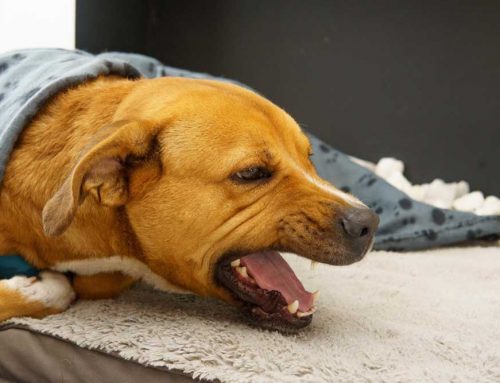
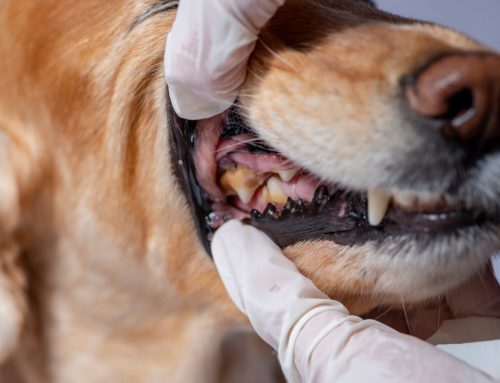
How often you should clean your dog’s or cat’s ears depends on the individual animal, and for most healthy pets the answer is less often than you might expect. Dogs with upright ears and no chronic issues may only need a gentle inspection every few weeks and a cleaning once a month or less, while dogs with floppy ears, frequent swimmers, and allergy-prone pets need more regular attention. Cats generally maintain their own ear hygiene and rarely need cleaning unless something is off. The more valuable habit is consistent inspection, because catching a problem before discharge, odor, or head shaking becomes obvious keeps a minor issue from turning into a painful infection.
At Soda Springs Animal Clinic, routine ear care is part of the preventive picture we build for every patient through our small animal wellness care, which includes nose-to-tail physical exams with attention to ear health and in-house ear cytology when we need to identify what is happening inside the canal. We also talk through home inspection techniques and, when appropriate, safe at-home cleaning routines tailored to your pet’s ear type. If you have noticed your dog or cat scratching at an ear, shaking their head, or carrying an odor you cannot explain, get in touch with us and we will take a look.
Pet Ear Cleaning at a Glance
- Most upright-eared dogs need little: cleaning once a month or less, while floppy-eared, swimming, and allergy-prone dogs need more.
- Cats rarely need cleaning: excess intervention in cats can do more harm than good.
- Inspection beats cleaning: catching early signs prevents the painful infections that follow ignored problems.
- Never clean an infected or painful ear without veterinary guidance, since treating without diagnosis often makes it worse.
How Often Do Healthy Pets Actually Need Ear Cleaning?
The honest answer is that the right frequency emerges from inspection rather than a fixed schedule, but a few baselines by ear type give a useful starting point:
| Pet or ear type | Inspect | Clean |
| Upright, well-ventilated ears | Every few weeks | Monthly or as needed |
| Floppy ears (Cocker Spaniels, Bassets, Labs) | Weekly | Every 1 to 2 weeks |
| Dogs who swim regularly | After swims | After every swim, especially if ears are floppy |
| Allergy-prone dogs | Weekly | As part of an allergy plan |
| Most cats | Occasionally | Rarely, only if needed |
Floppy-eared dogs need more frequent care because the closed canal traps moisture and debris, swimmers need post-swim drying to prevent moisture-related infections, and allergy-prone dogs often need ears built into a broader plan, which our small animal wellness care can assess. The takeaway is to clean when you see something that warrants it, not on an arbitrary calendar.
What Should You Inspect For?
A weekly inspection takes about a minute: lift the ear flap and look at the visible portion of the canal opening for four things.
- Color: the skin should be pale pink, so redness, dark discoloration, or visible inflammation are signs to call.
- Discharge: a small amount of pale wax is normal, but brown, yellow, black, or red discharge is not.
- Odor: healthy ears have no strong smell, so yeasty, musty, or foul odors suggest infection.
- Behavior: scratching, head shaking, head tilt, holding the ear flat, or sensitivity to touch near the ear all flag a problem.
When not to clean your pet’s ears is just as important: an actively infected ear, one with significant pain or discharge, or one that may hold a foreign body should be evaluated before cleaning, since cleaning an infected ear can push debris and bacteria deeper and worsen the situation. Itchy ear problems in dogs almost always indicate more than dirty ears, since allergies, yeast or bacterial infections, parasites, or foxtails all produce itching that home cleaning will not fix.
What About Foxtails After Outdoor Time?
If your dog spends time outdoors in dry grass, particularly in late spring through fall, ear checks become time-sensitive rather than just routine. Foxtails are barbed grass awns that catch in fur, work their way into ears, noses, paws, and skin, and migrate in only one direction: inward. Once a foxtail enters the ear canal, it cannot back out on its own, and it keeps moving deeper, sometimes reaching the eardrum and causing severe pain, infection, or rupture. The cases we see late in the season often involve a foxtail that was picked up a week or two earlier and finally produced enough irritation for the family to notice.
After any outing in dry-grass country, run a quick check:
- Lift each ear flap and look at the visible canal opening for any plant material
- Run your hands through the coat around the ears, neck, armpits, and between the toes
- Watch for sudden head shaking, head tilt, pawing at one ear, or scratching that started after the walk
- Check the paws and between the toes for foxtails working into the skin
A foxtail caught at the entrance of the canal during a same-day check is often a quick retrieval. A foxtail discovered three days later because the dog has been shaking their head is usually deeper in the canal, frequently requires sedation to remove, and may have already produced an infection that needs additional treatment. The inspection habit is what determines which conversation you end up having.
Should You Pluck Your Dog’s Ear Hair?
This is a question that comes up most with groomers, and the honest answer has shifted over the years. The old advice was to routinely pluck the hair that grows inside the ear canal of certain breeds (Poodles, Bichons, Schnauzers, Cocker Spaniels) on the theory that it improved airflow and reduced infections. Current thinking on plucking ear hair is more nuanced: plucking creates micro-trauma in the canal lining, which can actually predispose to inflammation and infection, and for many dogs the hair is not the problem in the first place.
A reasonable rule of thumb:
- Dogs with healthy ears and no history of infection: leave the hair alone, since plucking a healthy ear can do more harm than good.
- Dogs with chronic ear infections where hair is genuinely obstructing the canal: plucking may help as part of a broader treatment plan, but it should be done gently, in small amounts, with proper technique, and ideally by a veterinary team rather than during a routine grooming visit.
- If a groomer plucks ears as a default: it is reasonable to ask them to stop unless your veterinarian has specifically recommended it for your dog. Trimming ear hair short is a great alternative.
If you are unsure whether plucking is appropriate for your specific dog, we are happy to look at the ear canal and weigh in. In most cases, keeping ear hair trimmed short is the best option. A quick exam answers the question for that individual dog far better than a blanket grooming policy.
How Do You Clean a Dog’s Ears at Home?
For dogs without active disease where routine cleaning is appropriate, the basic technique is straightforward:
- Choose a veterinary-formulated ear cleaner, avoiding hydrogen peroxide, alcohol, or DIY mixes, which are not designed for the pH and chemistry of the canine ear canal. Our pharmacy carries several vet-trusted ear cleaners for different needs.
- Set up calmly with treats nearby, cleaner at body temperature, and cotton balls or gauze.
- Lift the ear flap and fill the canal with cleaner, enough that it can do its work.
- Massage gently at the base for 20 to 30 seconds, listening for the squishing sound that means the cleaner is breaking up debris.
- Let your dog shake, standing back since this part gets messy.
- Wipe out only the visible portion with cotton or gauze, never using a Q-tip in the canal, which can push debris deeper and risk eardrum damage.
- Treat and praise.
Build positive associations through cooperative care techniques, since a dog who fears ear cleaning makes the routine harder than it needs to be.
How Do You Clean a Cat’s Ears at Home?
Most cats do not need ear cleaning, but when they do, the technique for cats is similar with a few adaptations:
- Wrap the cat in a towel if needed, with just the head exposed.
- Use a smaller volume of cleaner, since cat ears are smaller and more sensitive.
- Lift the ear flap and apply a small amount to the visible canal.
- Massage very gently at the base for 10 to 20 seconds. Do not be as aggressive as you would with your dog.
- Wipe out the visible portion with cotton.
- Stop if your cat becomes very stressed, since a cat with persistent ear issues that will not tolerate home cleaning needs an in-clinic visit.
If you are unsure whether your cat actually needs cleaning, a quick veterinary check answers it without guesswork.
When Do Ear Problems Need a Vet Visit?
Otitis externa, or outer ear inflammation, is one of the most common reasons pets come to our practice, and it almost always reflects something more than accumulated wax. Possible causes:
- Bacterial infection, often secondary to another problem
- Yeast infection, especially Malassezia, common in dogs with allergies
- Ear mites, more common in cats and young animals
- Foreign bodies like foxtails, grass awns, or debris
- Allergies, the most common underlying cause of recurring ear disease in dogs
- Polyps or growths, more common in older cats
- Anatomic factors like narrow canals or heavy ear flaps
Untreated or improperly treated otitis externa can progress to otitis media and interna, which involves the middle and inner ear and can affect balance, facial nerve function, and hearing, which is part of why catching ear problems early matters. Ear cytology is a quick in-clinic test that identifies what is actually present, whether yeast, bacteria, inflammatory cells, or ear mites, and since the treatment for each differs entirely, treating without knowing usually fails.
What About After Swimming or Water Exposure?
Getting water out of a dog’s ear is part of preventing infections in swimming dogs. After water exposure:
- Gently towel-dry the outer ear and visible canal opening
- Use an ear cleaner with drying agents designed for post-swim use
- Allow the ear to fully dry before more water exposure if possible
Moisture left in the canal creates the warm, dark, humid environment that yeast and bacteria thrive in, which is exactly why swimming dogs and floppy-eared dogs are at higher risk for ear infections.
When Should You Call vs. Try Home Care?
Call us if your pet shows any of the following, which point to a problem home cleaning will not solve:
- A sudden change in ear behavior like head tilt, severe head shaking, or ear sensitivity
- Any discharge that is brown, yellow, black, red, or particularly malodorous
- Visible redness, swelling, or crusting in the ear
- Pain when the ear is touched
- Balance problems or facial drooping
- Repeated ear issues despite home care
For mild wax buildup with no other signs, home cleaning with a veterinary-formulated product is reasonable. For anything more concerning, treatment without diagnosis usually delays the right care and sometimes makes the situation worse.

Frequently Asked Questions About Ear Cleaning
My Dog’s Ears Smell Yeasty. Can I Just Clean Them?
Probably not effectively. A yeasty odor usually means a yeast infection is established in the canal, and cleaning alone rarely resolves it, so treatment typically requires medicated ear drops or oral antifungal medication chosen based on cytology. Coming in for a quick check sets the right treatment in motion.
Should I Use Q-tips in My Pet’s Ears?
Not in the ear canal itself. Q-tips can push debris deeper, damage the eardrum if pushed too far, and pack wax against the canal wall, so cotton balls or gauze for the visible portion of the ear are safer.
What About Home Remedies Like Vinegar, Hydrogen Peroxide, or Oil?
Avoid them. Hydrogen peroxide irritates the ear canal and can damage tissue, vinegar mixtures can sting and are not reliably effective, and oil-based mixtures do not dissolve debris and can create environments that worsen infections. Veterinary-formulated cleaners are designed for the pH and chemistry of the pet ear and are worth the modest cost.
How Can I Prevent Ear Infections in My Swimming Dog?
After every swim, towel-dry the ears and apply a few drops of a drying ear cleaner, and avoid letting the dog go back in the water with wet ears if you can. For dogs with chronic ear issues from swimming, more frequent cleaning and faster intervention at the first sign of trouble beats trying to manage established infections.
Healthy Ears Through Consistent Attention
Pet ear health is mostly about paying attention rather than aggressive cleaning. Long-term ear health usually comes from the same simple habits: noticing changes early, cleaning appropriately rather than excessively, and coming in promptly when something looks off.
If your pet’s ears have been bothering them, or you want guidance on the right cleaning routine for your specific pet, contact us and we will talk through it.