When the World Spins: Understanding Vestibular Disease in Pets
Head tilting, walking in circles, or sudden loss of balance sends families rushing for help because these symptoms look frightening and suggest something seriously wrong with the brain or inner ear. Vestibular disease, ear infections, brain tumors, strokes, and toxin exposure can look similar but need different treatments. Some cases resolve within days, while others require targeted care. A careful exam and diagnostic testing help distinguish treatable problems from those needing specialized support.
Soda Springs Animal Clinic takes a systematic diagnostic evaluation approach. We examine the ears, perform a neurological assessment, run blood tests, and use imaging to get to the root of the problem. Some vestibular episodes improve with supportive care, while others need surgical intervention or referral. If your dog or cat develops sudden head tilt, circling, or trouble balancing, contact our team right away.
What Causes Dogs and Cats to Suddenly Lose Their Balance?
The Vestibular System: Your Pet’s Internal GPS
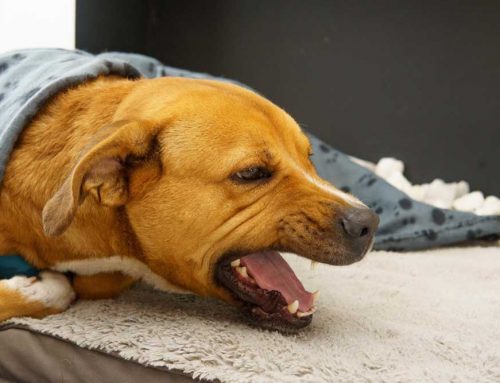
The vestibular system is your pet’s balance center, linking the inner ear to the brain. When it’s disrupted, your pet may tilt their head, stagger, fall, or show rapid side-to-side eye movements. These signs look dramatic but can come from a range of causes.
Vestibular disease in dogs often appears suddenly, sometimes overnight. Peripheral disease (inner ear) usually has a better outlook than central disease (brainstem or cerebellum). Idiopathic vestibular disease- common in older dogs and often called “Old Dog Vestibular Disease”- often improves markedly within 72 hours with supportive care.
Cats are affected less often but can show the same signs. Nausea can make them refuse food. Most pets remain alert, which helps separate vestibular issues from problems that affect consciousness.
At Soda Springs Animal Clinic, we use a neurological exam to decide whether signs point to inner ear or brain involvement. This guides treatment and sets realistic recovery expectations.
Why Ear Infections Trigger Balance Problems
From Outer Ear Irritation to Inner Ear Involvement
Ear infections are one of the most fixable causes of head tilt. Otitis externa affects the outer ear canal and is uncomfortable but typically doesn’t impact balance unless it progresses deeper.
Otitis media and interna involve the middle and inner ear and can disrupt the vestibular system directly. You may notice pain when chewing or yawning, head shaking, ear scratching, foul-smelling discharge, or facial drooping on one side in combination with a head tilt or even circling behavior.
Dogs with allergies or narrow, hairy ear canals are at higher risk for deeper infections. Some cats develop infections due to polyps or growths.
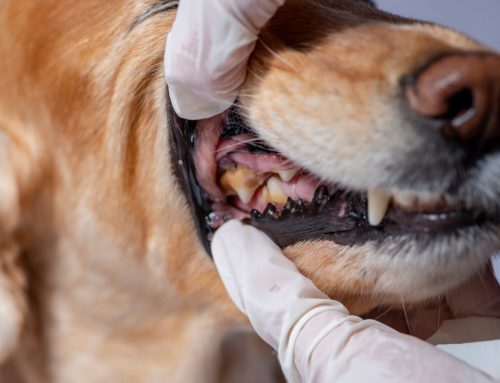
Our exam may include an otoscope to look at the ear drum, cytology to identify organisms, and X-rays when needed. Treatment typically involves several weeks of targeted medications and rechecks. Some cases need ear flushing under anesthesia or surgery if chronic changes prevent healing.
When Brain Disease Causes Head Tilt
Recognizing Central Nervous System Problems
Brain tumors in dogs can cause vestibular signs when they affect the brainstem or cerebellum. Unlike ear-related issues, central disease often comes with other signs: seizures, behavior changes, weakness on one side, or poor paw placement.
Older dogs are at higher risk for tumors like meningiomas and gliomas. Cats get brain tumors less often, though meningiomas are more common in felines.
Diagnosis usually requires MRI or CT via referral. Treatment varies by tumor type and location. Options may include surgery, radiation, medication, or palliative care focused on comfort.
Vascular Events (Strokes)
Strokes in pets happen when blood flow is blocked or bleeding occurs in the brain. Pets don’t usually have human-type artery disease; instead, conditions like kidney disease or clotting problems increase risk.
Strokes cause sudden signs: head tilt, balance loss, weakness, abnormal eye movements, or changes in awareness. Some pets improve over weeks, while others have lasting deficits.
We use bloodwork, blood pressure checks, and imaging to look for both the stroke and underlying conditions. Our diagnostic capabilities include lab testing to guide care. Support focuses on stable blood pressure, nutrition, hydration, and treating root causes.
Other Causes Behind Balance Loss
Brain and Spinal Cord Infections
Meningitis and encephalitis occur when inflammation affects the brain or spinal cord protective layers. Bacterial, viral, fungal, or immune-mediated causes can trigger these conditions, leading to fever, severe head or neck pain, seizures, behavior changes, or balance problems.
Young to middle-aged dogs appear most vulnerable, though any pet can be affected. Some cases follow tick-borne diseases or fungal infections common in certain geographic regions. Others develop when the immune system mistakenly attacks the nervous system.
Diagnosis requires bloodwork, sometimes advanced imaging, and spinal fluid analysis. Treatment typically involves aggressive antimicrobial therapy, anti-inflammatory medications, or immune-suppressing drugs depending on the underlying cause. Early intervention improves outcomes significantly.
Nutritional Deficiencies
Thiamine deficiency causes neurological problems when pets don’t get enough vitamin B1. This happens most often in cats fed all-fish diets or dogs eating certain raw foods, heat-processed diets, or those with prolonged vomiting.
Signs develop over weeks and can include head tilt, dilated pupils, loss of coordination, weakness, seizures, or even collapse. Cats may show a characteristic ventroflexed neck position where the head droops downward.
We confirm thiamine deficiency through dietary history and response to treatment. Thiamine supplementation produces rapid improvement- often within hours to days. Without treatment, deficiency can be fatal, but early correction leads to full recovery in most cases.
Medication-Induced Toxicity
Metronidazole toxicity can occur when this common antibiotic is given at high doses or for extended periods. While metronidazole treats many infections effectively, excessive levels affect the nervous system.
Signs include sudden head tilt, loss of coordination, abnormal eye movements, seizures, or behavior changes. These typically appear after several days to weeks of treatment, though some pets react quickly.
Stopping the medication usually leads to gradual improvement over days to weeks. Supportive care including IV fluids and anti-seizure medications may be needed. Most pets recover completely, though recovery can take time.
Liver Disease and Metabolic Disorders
Portosystemic shunts are abnormal blood vessel connections that allow toxins to bypass the liver. This causes a buildup of ammonia and other waste products that affect brain function.
Small breed dogs and certain purebreds show higher risk. Signs often begin in young animals and include poor growth, vomiting, behavior changes, circling, head pressing, seizures, or balance problems that worsen after meals.
Hepatoencephalopathy describes brain dysfunction from liver failure or shunts. Pets may seem dull, disoriented, or show vestibular signs. Diagnosis involves bloodwork, bile acid testing, and imaging. Treatment includes dietary changes, medications to reduce toxin absorption, and sometimes surgery to correct shunts.
Head Trauma
Head injuries from vehicle accidents, falls, or blunt force can damage the vestibular system or brain directly. Signs depend on injury severity and location but may include head tilt, loss of balance, abnormal eye movements, altered consciousness, or bleeding from the nose or ears.
Immediate veterinary evaluation is critical. We assess consciousness level, pupil responses, and injury extent. Treatment may include hospitalization for monitoring, oxygen therapy, medications to reduce brain swelling, pain management, and supportive care.
Prognosis varies widely based on injury severity. Some pets recover fully, while others have lasting deficits. Early stabilization and careful monitoring during the first 24-48 hours are crucial.
Thyroid Imbalance and Nerves
Hypothyroidism means the thyroid isn’t producing enough hormone. While it rarely causes head tilt by itself, it can contribute to nerve issues or ear problems.
Common signs include weight gain, low energy, cold intolerance, and coat changes. Some breeds are at higher risk. Blood tests confirm the diagnosis, and daily medication typically leads to improvement within weeks. Through wellness care, we screen seniors and at-risk dogs proactively.
Plant Awns and Foreign Bodies
Foxtails and similar grass awns can lodge in ear canals, especially in rural Idaho during late spring through fall. Their barbs push deeper over time, causing irritation and possible infection.
Signs include sudden head shaking, pawing at the ear, pain when touched, and often head tilt if the ear is painful or the eardrum is involved. These need prompt removal to prevent complications.
We remove foreign material with specialized tools under sedation or anesthesia, then flush the ear and prescribe medication. Prevention includes post-adventure ear checks and avoiding areas with mature seed heads.
How Veterinarians Diagnose Head Tilt
Our Step-by-Step Evaluation
A thorough history is the starting point: when signs began, how they’ve changed, recent illnesses, and possible toxin exposure. We then perform a full physical and neurological exam to evaluate cranial nerves, coordination, and gait.
This helps us decide if the problem is peripheral (inner ear) or central (brain). Peripheral disease often causes tilt and falling toward one side but not weakness. Central disease is more likely to include weakness or dullness.
We inspect the ear canals, collect samples for cytology, and sometimes culture stubborn infections. In-house bloodwork screens for metabolic and inflammatory issues. Complex cases may need advanced imaging through our referral partners.
Treatment Paths Based on Diagnosis
Treatment targets the underlying cause while easing symptoms:
- Idiopathic vestibular disease: supportive care, anti-nausea medication, help with eating and drinking, and a safe space to prevent falls. Many dogs improve notably within three days, though a mild head tilt may linger.
- Ear infections: appropriate antimicrobials, anti-inflammatory medication, and ear care, often for several weeks with rechecks.
- Hypothyroidism: daily thyroid medication with regular monitoring.
- Strokes or brain tumors: individualized plans, possible referral for advanced therapies, or compassionate end-of-life care when needed.
We can address certain issues surgically, such as removing ear polyps or foreign bodies. For complex cases, we coordinate care closely with specialists and keep communication clear.

Home Care and Recovery Tips
Create a safe, padded area to prevent injury from falls.
- Offer food and water at head height to reduce dizziness when bending.
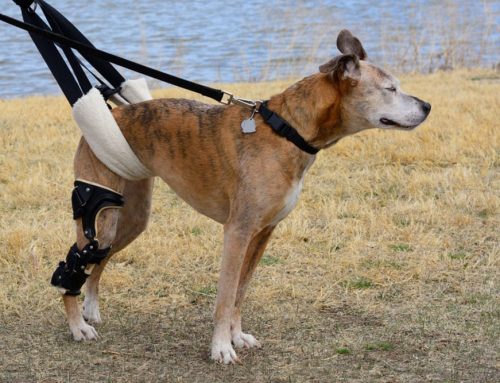
- Use a harness or sling to support larger dogs; carry small dogs for bathroom breaks.
- Track daily changes: tilt, appetite, stability, and ability to walk.
Reach out if symptoms worsen, new signs appear, or your pet won’t eat or drink. Recovery depends on the cause: idiopathic cases often improve fast, ear infections take weeks, and brain disease may need long-term management.
FAQs: Quick Answers for Pet Owners
What is vestibular disease?
It’s a problem with the inner ear–brain balance system, causing head tilt, dizziness, and trouble walking.
Is it a stroke?
Sometimes. Strokes are one possible cause, but ear infections and idiopathic vestibular disease are more common.
Will my pet recover?
Many pets improve within days, especially with idiopathic vestibular disease. Others need longer treatment or ongoing care.
When should I see a vet?
Immediately if your pet suddenly tilts their head, falls, or seems disoriented. Early evaluation improves outcomes.
Can ear infections cause head tilt?
Yes. Deep infections in the middle or inner ear can affect balance and need prompt treatment.
Schedule Your Pet’s Evaluation Today
Balance problems range from short-lived to serious, but early evaluation is key. Our team blends thorough diagnostics with compassionate care to guide you through next steps and reduce worry. If your dog shows sudden head tilt or your senior cat’s balance has changed, we’re here to help. Contact us to schedule an evaluation, ask questions, or plan supportive home care tailored to your pet.