When Your Pet Needs Dental Surgery: Understanding Extractions and Advanced Oral Procedures
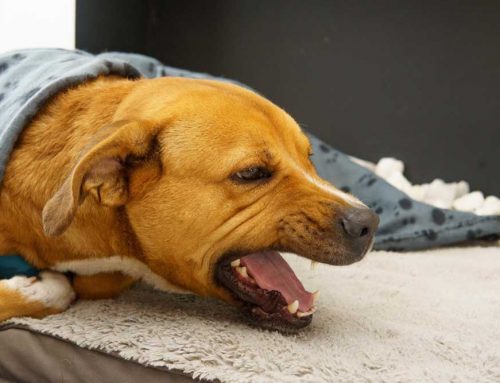
Your dog’s sudden reluctance to eat hard kibble or your cat’s increased drooling might not seem like an emergency, but these subtle changes often signal serious dental discomfort hiding beneath the surface. Dental disease progresses quietly, and by the time pets show obvious pain- pawing at their mouths, dropping food, or avoiding their favorite chew toys- infection and bone loss may already be advanced. Timely dental surgery, whether a single extraction or a more complex oral procedure, relieves suffering and prevents disease from spreading to other organs. Recognizing early warning signs and acting quickly protects your pet’s long-term comfort and health.
At Soda Springs Animal Clinic, our approach to dental care goes beyond surface cleaning. Every dental procedure includes full-mouth dental radiographs to detect infection below the gumline, hidden tooth root issues, and fractures that aren’t visible during a routine exam. Our comprehensive dental care evaluates pain, infection risk, and treatment options with the same care we bring to every aspect of veterinary medicine, ensuring your pet receives compassionate, thorough oral care tailored to their needs.
Understanding Dental Disease in Pets
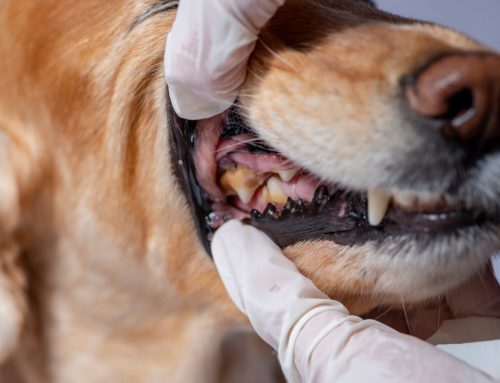
Dental disease begins with plaque- a sticky film of bacteria that hardens into tartar within days if not removed. As tartar accumulates, gums become inflamed (gingivitis), and bacteria work their way below the gumline, attacking the tooth’s supporting structures. This progression into periodontal disease causes bone loss, tooth mobility, root exposure, and abscesses.
Understanding why dental care matters helps pet owners recognize that routine professional cleanings interrupt disease before it requires surgical intervention. At Soda Springs Animal Clinic, our wellness care includes oral health assessments, and our dental procedures feature comprehensive scaling and polishing both above and below the gumline under full anesthesia. This thorough approach, combined with full-mouth charting and radiographic evaluation, catches problems early and guides decisions about whether a tooth can be saved or needs extraction.
When Dental Surgery or Extractions Are Necessary
Not every dental problem can be resolved with cleaning alone. Several clinical scenarios warrant extraction or surgical correction to eliminate pain and prevent further complications:
Advanced periodontal disease with deep pockets, bone loss, or abscesses makes saving the tooth nearly impossible and risks ongoing infection. When more than 50% of bone support is lost, the tooth becomes a source of chronic pain and bacteria, and extraction provides immediate relief.
Fractured or dislodged teeth expose sensitive pulp tissue to bacteria and temperature changes, causing severe discomfort. Chips that reach the pulp chamber or vertical root fractures create pathways for infection. While some fractures can be managed with root canal therapy, treating fractured teeth often requires extraction when the damage is extensive or when restoration isn’t feasible.
Retained baby teeth in dogs and cats create crowding, trap food debris between teeth, and alter bite alignment. Deciduous tooth removal is particularly important in small breeds, where retained canines are common and can cause permanent dental deformities if not addressed early.
Jaw trauma or malocclusion can make chewing painful and cause injuries to the soft tissues of the mouth. Teeth that don’t align properly may puncture the palate or cheeks with every bite, requiring extraction or orthodontic correction.
Our team evaluates each case individually, discussing whether extraction or restoration is most appropriate based on the tooth’s condition, your pet’s overall health, and long-term prognosis. We provide detailed post-operative support to ensure comfortable healing.
Developmental and Structural Oral Problems
Some pets are born with or develop structural oral issues that compromise comfort and function. Developmental dental abnormalities include supernumerary teeth (extra teeth), severe tooth malposition, and under- or over-bites where the upper and lower jaws don’t align correctly.
These conditions affect more than appearance- they create abnormal wear patterns, trap debris in hard-to-clean areas, increase periodontal disease risk, and can cause painful soft tissue trauma. Puppies and kittens with severe bite misalignment may benefit from early intervention, while some cases require monitoring and correction as the pet matures.
At Soda Springs Animal Clinic, we discuss timing, treatment options, and whether minimally invasive approaches or surgical correction will best serve your pet’s needs. Our diagnostic services help us evaluate jaw structure and plan the safest, most effective approach for each patient.
Advanced Dental Procedures Beyond Extraction
Some oral conditions require surgical intervention beyond simple tooth removal. Jaw fractures from trauma or bone loss from severe periodontal disease need stabilization and careful bone alignment to restore chewing function. Oronasal fistulas– abnormal openings between the mouth and nasal cavity- develop from severe periodontal disease or following difficult extractions in the upper jaw, and require surgical closure to prevent chronic nasal infection and food contamination.
Deep infections like retrobulbar abscess can form behind the eye from tooth root infection, causing facial swelling, pain when opening the mouth, and eye protrusion. These cases need aggressive drainage, extraction of the affected tooth, and often extended antibiotic therapy.
We work closely with you throughout treatment, explaining the procedure, recovery timeline, and what to watch for during healing.
The Role of Dental Imaging and Diagnostics
Surface examination tells only part of the story. Dental radiography for pets reveals what’s happening beneath the gumline: root resorption, retained root fragments after previous extractions, endodontic disease, bone loss, and jaw pathology. The importance of dental X-rays cannot be overstated- studies show that more than 40% of dental disease exists below the gumline, invisible to the naked eye.
Every dental procedure at our clinic includes full-mouth radiographs as standard protocol. This thorough imaging approach ensures we identify every problem area, make informed decisions about which teeth to extract or treat, and confirm complete removal of diseased tissue. Our diagnostic imaging capabilities support comprehensive oral health care for pets throughout Soda Springs and the surrounding rural communities.
Managing Pain Before and After Dental Surgery
Safe anesthesia and effective pain management are non-negotiable in dental surgery. Before any procedure, we perform a thorough physical exam and recommend pre-operative bloodwork through our diagnostic services to ensure your pet can safely tolerate anesthesia. During surgery, a dedicated technician monitors ECG, blood pressure, temperature, capnography, oxygen saturation, and heart rate continuously, with a second technician assisting the veterinarian.
Our multimodal pain control approach combines several strategies: local nerve blocks to numb specific areas, anti-inflammatory medications, and adjunctive analgesics tailored to your pet’s procedure and pain level.
After surgery, we provide detailed at-home care instructions and pain medication to keep your pet comfortable during recovery. Most pets bounce back quickly, eating soft food within hours and returning to normal activity within days.

Preventing Future Dental Injuries and Disease
Prevention starts with smart choices about what your pet chews. Many popular items pose serious risks: bones can cause tooth fractures or excessive wear, and overly hard toys can crack teeth. The dangers of popular dog chews include everything from antlers to frozen treats that are harder than tooth enamel.
With countless dental products on the market, choosing effective options can feel overwhelming. VOHC-approved dental products have been tested and proven to reduce plaque and tartar, taking the guesswork out of selection. The Veterinary Oral Health Council evaluates treats, chews, foods, and water additives, providing pet owners with reliable guidance.
At Soda Springs Animal Clinic, we help you develop a tailored chew-and-care plan during wellness visits. We recommend size-appropriate toys, demonstrate proper toothbrushing techniques, and discuss dental wipes or water additives when brushing isn’t feasible. Routine professional cleanings combined with consistent home care prevent most dental disease and reduce the need for extractions.
Keeping Your Pet’s Smile Healthy for Life
Dental surgery prevents chronic pain, eliminates sources of infection, and stops disease from progressing to your pet’s heart, liver, and kidneys. While no pet owner wants to hear their companion needs tooth extraction, timely intervention is one of the most compassionate decisions you can make. At Soda Springs Animal Clinic, we’re committed to gentle, thorough dental care backed by comprehensive diagnostics, full anesthetic monitoring, and personalized pain management.
If your pet shows signs of oral discomfort- bad breath, reluctance to eat hard food, facial swelling, or pawing at their mouth- don’t wait for the problem to worsen. Schedule an exam so we can evaluate their oral health and discuss treatment options. Even if your pet seems comfortable, routine dental assessments during wellness visits catch disease early, often before surgery becomes necessary.
Contact us today to schedule a dental evaluation or to discuss any concerns about your pet’s oral health. Our team is here to answer your questions, explain treatment plans, and support your pet’s comfort and wellbeing at every stage of life.