

What to Do If Your Pet Has a Seizure: A Step-by-Step First Aid Guide
Seizures Are Scary, But You Can Help
Few things are more frightening than watching your dog or cat have a seizure. One moment everything is normal, and the next your pet is on the ground, stiff, paddling their legs, or acting in a way you’ve never seen before. Those seconds feel like they last forever, and the urge to do something, anything, is overwhelming.
Here’s the reassuring truth: most single seizure episodes, while alarming, are not immediately life-threatening. Knowing what to do during and after a seizure and understanding when it crosses the line into an emergency puts you in the best position to help. You don’t need medical training. You just need a few calm, clear steps and the confidence to follow them.
At Soda Springs Animal Clinic, we support pet owners with practical guidance and compassionate care, especially during moments like these. If your dog or cat has experienced a seizure, please contact us for advice or to schedule an evaluation. We pair expert diagnostics with compassionate care, whether it’s for a same-day check, focused lab work, or a long-term plan for pets with ongoing episodes. Our small animal wellness care and on-site small animal diagnostics help us move quickly from concern to answers.
What Does a Seizure Actually Look Like?
A seizure is a sudden burst of abnormal electrical activity in the brain that causes involuntary movements or behavior changes. Some seizures are dramatic and unmistakable. Others are subtle enough that you might wonder if something happened at all.
Common signs include:
- Sudden collapse with stiffening or leg paddling
- Jaw chomping, drooling, or foaming
- Loss of bladder or bowel control
- Vocalizing (whining, howling, or crying out)
- Brief loss of awareness followed by confusion
Most seizures also follow a recognizable pattern with three phases. The pre-ictal phase (or aura) may show up as restlessness, clinginess, or anxious behavior in the minutes before the event. The ictal phase is the active seizure itself. And the postictal phase is the recovery period afterward, when your pet may seem dazed, pace, or have temporary vision changes.
Not every episode looks the same. Some pets stare blankly, twitch one limb, or snap at the air without a full-body event. If you’re unsure whether what you saw qualifies as a pet emergency, time it and observe from a safe distance. Unusual spells or behavior changes, even subtle ones, are worth bringing up during a small animal wellness care visit so we can decide whether diagnostics are needed.
What Should You Do During a Seizure?
Your job during a seizure is simple: keep your pet safe, reduce stimulation, time the episode, and stay away from the mouth. That’s it. You don’t need to do anything heroic.
Step by step:
- Stay calm and check the time (or start a timer on your phone).
- Clear nearby hazards like furniture corners, stairs, or cords.
- Dim the lights and lower any noise. Ask other people to step back.
- Move other animals out of the room.
- Do not put your hands near your pet’s mouth. They will not swallow their tongue, and jaw movements during a seizure can cause a serious bite even from the gentlest pet.
- Do not hold your pet down or try to restrain them.
- If you can do so safely, slide a folded towel under their head for padding.
- If the seizure lasts longer than five minutes, or multiple seizures happen back-to-back without full recovery between them, this is an emergency.
- If possible, take a short video. It gives our team incredibly useful information.
After a first event or any prolonged episode, contact us so we can triage and advise on next steps. Even if the seizure stops quickly on its own, a follow-up visit helps us check for underlying causes and plan for safety.
How Can You Help Your Pet Recover Afterward?
The postictal phase can last anywhere from a few minutes to several hours, and your pet may seem like a completely different animal during this time. Confusion, pacing, temporary blindness, excessive thirst, or just being “out of it” are all normal parts of recovery.
To help them through it:
- Provide a quiet, dimly lit space where they can rest without overstimulation
- Block access to stairs or uneven surfaces until balance returns
- Offer a small amount of water once they can stand and swallow comfortably
- Hold off on food until coordination improves to avoid choking
- Stay close, speak softly, and let them come to you for comfort rather than crowding them
Every pet’s recovery looks a little different. Some bounce back in 20 minutes; others need a few hours of sleep before they’re themselves again. If you’re unsure whether what you’re seeing is normal recovery or a sign of something more serious, contact us and we’ll walk you through what to watch for.
When Does a Seizure Become an Emergency?
Not every seizure requires a middle-of-the-night rush to the vet, but some absolutely do. Knowing the difference helps you respond appropriately.
Seek immediate help if:
- It’s your pet’s first seizure
- A single episode lasts longer than five minutes (this is called status epilepticus and is life-threatening)
- Two or more seizures happen within 24 hours
- Your pet doesn’t return to normal within a few hours afterward
- The seizure follows known or suspected toxin exposure
- There are signs of heatstroke, trauma, or collapse
- You notice pale gums or severe weakness along with the seizure
Continuous or cluster seizures require immediate veterinary care. Our team can advise on safe transport and begin urgent evaluation. If your pet experiences any of the above, contact us immediately during open hours.
Why Do Pets Have Seizures?
Seizures are a symptom, not a diagnosis on their own. A single episode can have many possible triggers, which is why a targeted workup matters so much. Here are the major categories:
Idiopathic epilepsy is the most common cause in dogs between 1 and 5 years of age. Idiopathic epilepsy means no structural or metabolic cause is found, and these dogs typically appear completely normal between episodes. Missed medication doses, stress, intense activity, and disrupted sleep are common triggers. Cats can also develop epilepsy, but it’s less common.
Structural brain disease, including brain tumors and other neurological issues, can alter brain function and cause seizures, particularly in older pets or those with progressive behavior changes.
Systemic illness is another common cause. Liver disease, kidney dysfunction, and abnormal blood sugar levels can all provoke neurologic signs by disrupting the brain’s chemical environment.
Toxin exposure ranges from certain medications and pesticides to household products and rodenticides. Cats are especially prone to toxin seizures; canine tick preventative is a common cause.
Cats have some other unique patterns, too. Seizures in cats can look different from dogs, and conditions like feline audiogenic reflex seizures, where certain sounds trigger episodes, are specific to the species.
Because the list of possibilities is wide, focused testing is often the quickest path to answers. Our onsite small animal diagnostics help us narrow down likely causes, and we coordinate referrals for advanced imaging when needed.
How Do We Diagnose the Cause?
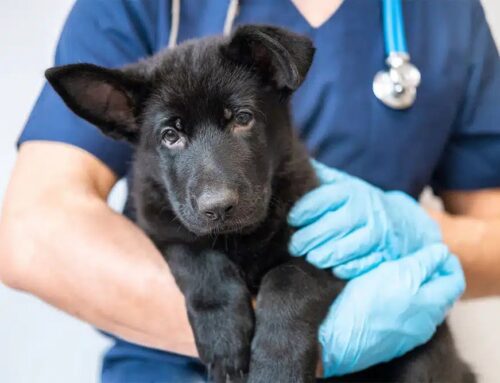
We start by listening to your story, reviewing any video you captured, and asking about recent changes, travel, potential toxin exposure, and medications. What you’ve observed at home is some of the most valuable diagnostic information we have.
A typical evaluation includes:
- Physical and neurological exams tailored to your pet’s species, age, and history
- Laboratory testing: complete blood count, chemistry panel, and urinalysis
- Blood pressure and, when relevant, blood sugar rechecks
- Imaging when indicated, including digital X-rays and ultrasound
- Discussion of advanced options like MRI or CT through trusted referral partners
Our in-house capabilities speed up decision-making, and we explain results in plain terms so you understand what’s happening and why. Contact us to schedule an evaluation.
How Are Seizures Treated and Managed Long-Term?
Here’s the part that gives most families real hope: with consistent care, many pets with seizure disorders live full, happy, active lives. The goal of treatment isn’t necessarily to eliminate every seizure (though that’s ideal), but to reduce their frequency and severity while keeping your pet comfortable.
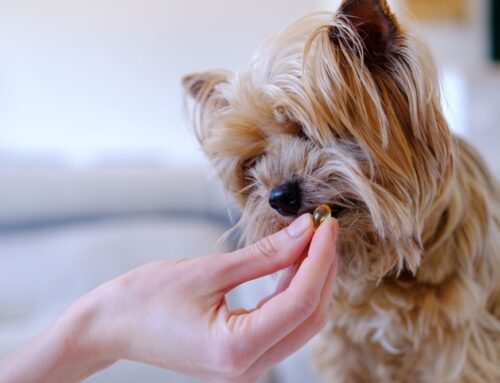
Treatment typically combines medication with smart home routines. Your veterinarian may prescribe anti-seizure medications tailored to your pet’s specific needs, with periodic bloodwork to monitor levels and protect organ health. During severe episodes, hospital care with IV access and close monitoring can stabilize your pet quickly.
Lifestyle matters, too. Managing seizures successfully means keeping daily routines consistent, minimizing stress where possible, avoiding known triggers, and never skipping medication doses. Missed doses are one of the most common reasons for breakthrough seizures in epileptic pets.
Ongoing care blends medical monitoring with prevention. Routine small animal wellness care visits let us track changes over time, adjust doses, and talk through nutrition, exercise, and safety at home. If costs are a concern, our payment options include Care Credit, Cherry, and Scratch Pay to help you budget for long-term care
How to Prepare for Future Episodes
A little preparation goes a long way toward staying calm when it matters. You don’t need a medical kit, just a few basics and a plan.
Keep on hand:
- “Rescue” medications if your vet advises you to keep them on hand
- A lightweight blanket or yoga mat for padding around your pet
- A printed medication schedule with doses and timing
- A logbook to record the date, start/stop times, what happened, recovery details, and whether you got video
If your pet is on anti-seizure medication, phone reminders and a weekly pill organizer make missed doses much less likely.

Frequently Asked Questions
Can my pet die from a seizure? Most single, short seizures are not fatal. The danger increases with prolonged seizures (lasting more than five minutes) or cluster seizures that happen in rapid succession. These situations are emergencies and need immediate veterinary care.
How common are seizures in dogs and cats? Seizures are one of the most common neurological problems in dogs. Idiopathic epilepsy alone affects an estimated 1 to 5 percent of dogs. Cats have seizures less frequently, but feline seizure disorders do occur and sometimes have unique triggers.
Will my pet know what happened? Pets don’t appear to have conscious awareness during a seizure, and they don’t remember the event afterward. They may feel confused or disoriented during the postictal phase, but they aren’t in emotional distress about what happened.
Should I start medication after one seizure? Not necessarily. A single, short seizure doesn’t always require daily medication. Your veterinarian will consider the frequency, severity, and underlying cause before recommending long-term treatment. Some pets are monitored closely and only started on medication if seizures recur.
Is it safe to touch my pet during a seizure? Keep your hands away from their mouth, as involuntary jaw movements can cause a serious bite. You can gently slide padding under their head or clear objects from around them, but avoid restraining or holding them down.
What if my pet has a seizure at night and I miss it? You might notice clues the next morning: wet bedding from bladder loss, displaced furniture, soreness, disorientation, or excessive tiredness. If you suspect a nighttime seizure, let us know so we can factor it into your pet’s care plan.
You’re Not Alone in This
Seizures are frightening, but they don’t have to define your pet’s life. With timely evaluation, consistent medication when needed, and a calm home routine, many pets continue to play, explore, and enjoy every day alongside their families. Keep a record of episodes, save those videos, and stay in touch with us if patterns change or new symptoms appear. We’d always rather you call early than worry at home. Our team is here for everything from same-day urgent checks to ongoing refills and rechecks.
If your pet has had a seizure or a strange episode you can’t explain, contact us so we can help you figure out the right next step. For ongoing health and prevention, our small animal wellness care keeps us working together to stay one step ahead.



Leave A Comment