Recognizing the First Signs of Cancer in Pets
Cancer can develop quietly, showing only minor changes at first- like fatigue, appetite loss, or small lumps. Catching these signs early allows for intervention when treatment is most effective. With today’s diagnostic tools and therapies, early action offers pets the best chance for recovery.
At Soda Springs Animal Clinic, we know how concerning it can be to find a lump or notice your pet isn’t quite themselves. Our experienced team uses advanced diagnostic technology– including cytology, imaging, and in-house lab testing- to identify problems early and guide treatment plans focused on both comfort and quality of life.
Warning Signs of Cancer in Pets
Cancer can look different from one pet to another. Keep an eye out for signs of cancer such as:
- New or changing lumps
- Weight loss or appetite changes
- Lethargy or decreased interest in play
- Persistent sores, swelling, or wounds
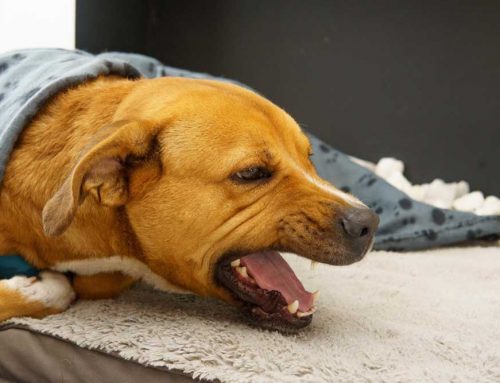
- Difficulty eating, drooling, or bad breath
- Bleeding, lameness, or coughing
If you notice any of these changes, schedule a visit with our team. Early testing and diagnostics can determine whether the issue is benign or needs treatment.
What are the Common Types of Cancer in Pets?
Cancer in pets occurs when cells grow uncontrollably, forming tumors or spreading throughout the body. While it’s one of the most common health concerns in older pets, improved veterinary care and longer lifespans mean these conditions are often detected earlier than ever.
There are many types of cancer that affect dogs and cats, each with unique symptoms and progression patterns. Some are slow-growing and benign, while others are aggressive and require immediate attention. At Soda Springs Animal Clinic, we use fine-needle aspiration, biopsy, and imaging to evaluate any new lump or concerning change.
Here are some of the most common pet cancers we see- some benign and not concerning, while others are malignant and need quick treatment:
Lymphoma
Feline lymphoma and its canine counterpart affect the lymphatic system, leading to swollen lymph nodes, lethargy, and weight loss. It is a treatable form of cancer, often managed with chemotherapy. We use bloodwork and imaging to stage lymphoma and develop personalized treatment options.
Hemangiosarcoma
Hemangiosarcoma is an aggressive cancer of the blood vessels, most often found in the spleen, heart, or skin. Sudden weakness, collapse, or pale gums can signal internal bleeding- an emergency that requires immediate care. Call our clinic right away if your dog experiences these symptoms.
Osteosarcoma
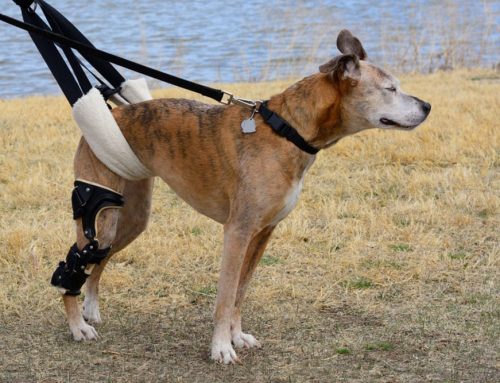
Osteosarcoma is a bone cancer common in large and giant breed dogs. It typically causes limping, swelling, or pain in a limb. Radiographs are essential for diagnosis and staging. Our imaging capabilities allow us to detect bone changes early and discuss the best course of care.
Squamous Cell Carcinoma
Squamous cell carcinoma affects skin and oral tissues and can be particularly aggressive in cats. Early detection is key- regular dental and oral exams help us identify suspicious lesions before they spread.
Melanoma
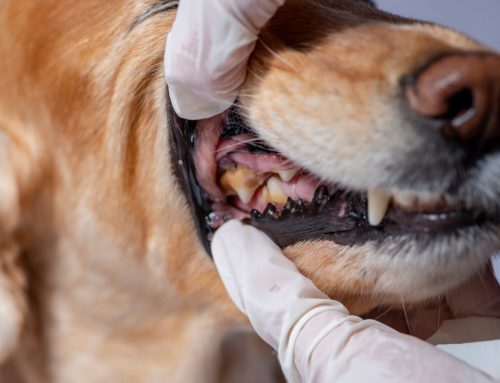
Melanoma originates from pigment-producing cells called melanocytes and most commonly appears inside the mouth, on the lips, or around nail beds in dogs. Oral melanomas are particularly aggressive and can spread rapidly if left untreated. Warning signs include dark or irregular growths in the mouth, bleeding, or facial swelling. Because of their aggressive nature, prompt evaluation and treatment are critical. Our team can perform oral examinations and coordinate surgical consultation for melanoma cases.
Oral Tumors
Oral tumors can cause difficulty chewing, bleeding, or swelling around the mouth. There are a large number of oral tumors that can occur, with varying levels of seriousness. These cancers require imaging to investigate how invasive they are, as some weaken the jawbone and require significant surgical treatments. Our dental care team monitors oral health closely during each cleaning and exam to catch abnormalities early.
Lipomas
Lipomas are soft, fatty masses that often appear in middle-aged and senior dogs. Though typically benign, every lump should be examined and, when needed, sampled to confirm it’s harmless. Many types of more concerning masses can look and feel like a lipoma, so they should always be tested. Our diagnostic team can perform quick in-clinic evaluations and provide peace of mind.
Mast Cell Tumors
Mast cell tumors are among the most common skin cancers in dogs. They can look like simple warts, lipomas, or skin tags but often behave aggressively beneath the surface. Cytology or biopsy is essential for diagnosis and staging. Our clinic can perform sample collection in-house and tailor a treatment plan to your pet’s specific needs.
Soft Tissue Sarcomas
Soft tissue sarcomas are a diverse group of tumors that develop from connective tissues like muscles, fat, or nerves. These masses typically grow slowly but can infiltrate surrounding tissue, making complete surgical removal challenging. They often appear as firm, painless lumps beneath the skin that gradually increase in size. Our surgical team evaluates these masses carefully to determine the best approach for removal and follow-up care.
Mammary Tumors
Both dogs and cats can develop mammary tumors. Mammary tumors in dogs and mammary tumors in cats are more likely in pets that were not spayed early in life. Early spaying significantly reduces this risk, and surgical removal of affected tissue is often curative when caught early.
How Veterinarians Diagnose Cancer
Our diagnostic approach combines experience with advanced technology. We start with a physical exam and history, followed by cytology, imaging, or biopsy depending on the case. Every step focuses on accuracy, comfort, and clear communication with pet parents.
Fine Needle Aspiration, Cytology, and Biopsy
Procedures like fine needle aspiration allow us to examine cells quickly and safely. Cytology helps determine whether a lump is inflammatory or cancerous. Sometimes, deeper analysis through biopsy is needed to distinguish between cancer types or malignancy levels.
Imaging and Staging
Once cancer is confirmed or suspected, we use ultrasound imaging and/or radiographs to identify internal tumors and assess spread. Following oncology guidelines, we develop an individualized staging and treatment plan to help your pet live more comfortably for as long as possible.

Treatment Options for Pet Cancer
Every pet’s treatment journey is different, depending on age, type of cancer, and overall health. Our goal is always to preserve quality of life while addressing the disease effectively.
Surgical Removal of Tumors
When cancer is localized, surgery is often the first line of treatment. Our surgical team emphasizes safe anesthesia, thorough removal, and strong post-operative pain control.
Chemotherapy for Pets
Chemotherapy can slow or eliminate cancer cells while maintaining comfort. We may be able to provide certain treatments, or refer you to oncology specialists. Modern pet chemotherapy uses protocols designed to minimize side effects. Pet owners can reference guidance on safe handling of chemotherapy and chemotherapy cost to help plan treatment confidently. Soda Springs Animal Clinic also offers financing options like CareCredit, Cherry, and Scratch Pay.
Radiation Therapy
Radiation is useful for shrinking tumors or addressing residual cancer cells after surgery. We coordinate with trusted radiation facilities when advanced therapy is needed, ensuring smooth continuity of care.
Immunotherapy and Emerging Treatments
New advances in immunotherapy help strengthen the body’s natural defenses to target cancer cells. Our veterinarians stay current on these evolving options and will discuss whether your pet could benefit from them.
Supportive and Palliative Care
When cure is not possible, we focus on comfort and dignity. Supportive care includes pain control, nutritional support, and home-care strategies. We also provide end-of-life care and compassionate guidance for families when the time comes to make difficult decisions.
The Importance of Early Detection
Cancer outcomes improve dramatically when disease is caught early. Regular wellness exams, baseline lab work, and quick evaluation of new lumps can make all the difference. Our team encourages annual or semi-annual visits, especially for senior pets, to identify changes before they become serious. Certain breeds, like Golden Retrievers, Boxers, and giant breeds- may benefit from cancer screenings with x-ray and ultrasound to catch certain tumor types, like hemangiosarcoma and osteosarcoma, far before symptoms appear.
If you find a lump on your pet, schedule an appointment promptly for evaluation. Take a photo of the lump next to a ruler to help you monitor for changes over time. Even if a lump is checked and determined to be benign, it’s still important to monitor and measure it regularly as part of your pet’s healthcare routine. When you give your monthly preventatives, take a moment to do a monthly lump check as well- masses can change and become more concerning over time. Watch for signs like redness, ulceration, bleeding, or rapid growth, and contact us immediately if you notice any of these changes.
Partnering With You for Your Pet’s Health
At Soda Springs Animal Clinic, we believe that knowledge and compassion go hand in hand. From screening to treatment, our team is here to guide you with honesty, empathy, and the most advanced care available in our region.
If you’ve noticed changes in your pet’s appetite, energy, or new growths, don’t wait- contact us today to schedule an exam. Early action can bring hope, comfort, and more time with the pets you love.