From Sprains to Fractures: Diagnosing the Cause of a Limp
When your pet starts limping, it’s easy to assume they just strained a muscle- but limping can indicate a wide range of problems, from arthritis to bone injury. Diagnostic tools like X-rays, ultrasound, and lab tests help veterinarians pinpoint the exact cause, ensuring pets receive the right treatment for quick and safe recovery.
At Soda Springs Animal Clinic, we understand how alarming it can be to see your pet favoring a leg or struggling to walk. Our team combines thorough exams with advanced diagnostic services such as X-rays, ultrasound, and bloodwork to determine the underlying cause. Whether it’s a mild sprain or a serious fracture, we’re here to relieve pain and guide your pet toward full mobility again.
Why Pets Limp: Common Causes and What to Watch For
A limp can stem from something as simple as a paw irritation or as complex as a joint or bone disorder. Observing when the limp began, how severe it is, and whether it worsens with activity helps your veterinarian narrow down the cause. It’s also important to note whether your pet’s limp improves with rest or remains constant- persistent or worsening lameness usually indicates a deeper problem that requires medical assessment.
Sudden Limping in Pets
Acute lameness often follows injury or irritation. Common reasons include:
- Broken nails: A broken or torn nail can cause immediate pain and bleeding, leading pets to avoid putting weight on the paw. Pets tend to lick broken nails excessively, leading to infection and worsening pain.
- Foxtails: These barbed grass awns can burrow into paws or between toes, causing swelling, redness, and infection. These often require sedation or surgery to remove, and antibiotics afterward.
- Abscesses: Particularly common in cats after fights, abscesses create painful, pus-filled swellings under the skin. These are particularly common on feet and legs- when your cat takes a swipe at another cat, they’ll often get a bite to the paw or leg.
- Muscle tears and pulls: Overexertion, rough play, or a sudden slip can lead to soft-tissue strain or rupture. These typically only need a week or so of rest to recover from.
- Broken bones: A visible deformity or refusal to bear weight requires immediate veterinary attention. Breaks can range from hairline fractures that don’t cause obvious signs, to severe and obvious compound fractures.
- Cruciate ligament injury: A common cause of hindlimb lameness in larger dogs, this injury is similar to an ACL tear in humans. These can range from partial tears that heal with rest, all the way to full tears requiring major orthopedic surgery.
- Hip Subluxation: While any joint can dislocate, hips are the most common offender, especially in pets with hip dysplasia.
Our veterinarians evaluate acute limping cases quickly, offering pain relief and same-day imaging when needed. If your pet experiences a sudden limp or injury, contact us for prompt care and gentle handling. Even minor injuries can worsen without rest or treatment, so a professional assessment is always the safest approach.
Gradual or Periodic Limping in Pets
Chronic or intermittent limping often signals degenerative or structural issues that develop over time. Common culprits include:
- Arthritis: Stiffness and reduced flexibility can make it difficult for pets to rise or move comfortably, especially after rest. If your older pet is limping off and on- especially after a nap or in cold weather- arthritis may be to blame.
- Hip dysplasia: Common in large-breed dogs, this inherited condition causes instability in the hip joint, leading to chronic pain. Breeds at risk should be evaluated when they are young, and there are many surgical options available to help alleviate this condition.
- Elbow dysplasia: Also more common in large breed dogs, especially in Retrievers. While there aren’t as many surgical options to fix this, weight control and joint supplementation can be extremely helpful.
- Patellar luxation: A dislocating kneecap can cause an intermittent “skip” in a pet’s step, most common in small dogs. Some cases are severe enough to need surgery.
- Panosteitis: Growing pains that affect young, large-breed dogs, causing shifting leg discomfort. Thankfully, dogs will grow out of this as they age.
- Osteosarcoma: A serious bone cancer often seen in older, large-breed dogs; early X-rays are critical for detection. In severe cases, the first sign may actually be a broken bone at the tumor site, called a “pathologic fracture”.
- Avascular necrosis: Also known as “Legg-Calv-Perthes Disease” (LCPD), this occurs most commonly in cats when there isn’t proper blood supply to the femoral head. This condition is treated by removal of the femoral head, called an “FHO”, and most cats do great afterward.
Pets with chronic limping may also show muscle wasting, reluctance to jump, or behavior changes from ongoing discomfort. Our veterinarians design long-term mobility plans using pain management, weight control, and monitoring to maintain your pet’s comfort and strength.
When Limping Becomes an Emergency
Some lameness requires immediate veterinary attention. Contact us or head in right away if your pet:
- Refuses to put weight on a limb
- Has a visibly deformed leg or swelling
- Is bleeding or has an open wound
- Collapses or appears lethargic
- Shows severe pain, trembling, or distress
Acute trauma or rapid swelling can indicate fractures, joint dislocation, or internal bleeding. Even subtle limping following a fall or car accident may hide ligament damage or microfractures. At Soda Springs Animal Clinic, we provide same-day urgent evaluations during business hours and coordinate emergency referrals when advanced orthopedic care is required. Calling ahead allows our team to prepare for fast stabilization and pain relief.
How Veterinarians Diagnose the Cause of Limping
Determining the cause of a limp involves more than observation. During a visit, your veterinarian will:
- Take a detailed history of the problem (onset, activity, and previous injuries).
- Observe gait and movement patterns.
- Palpate joints, muscles, and bones for tenderness or instability.
- Conduct range-of-motion and neurological testing.
We use in-house diagnostics such as X-rays, ultrasound, or lab tests to identify hidden causes. In some cases, sedation may be recommended to minimize pain and ensure clear imaging results. For chronic or complex conditions, additional testing such as joint taps, orthopedic consultation, or advanced imaging may be advised to uncover subtle bone or soft-tissue abnormalities.
Treatment Options for Limping Pets
Minor Injuries and Strains
For mild sprains or strains, rest is often the best medicine. Short, controlled walks, soft bedding, and restricted activity allow tissues to heal. Our veterinarians provide pain relief tailored to your pet’s needs and schedule rechecks to monitor recovery progress. Cold compresses or supportive wraps may also help reduce inflammation in the early stages.

Chronic Pain and Joint Disease
Managing long-term joint problems requires a multimodal approach tailored to your pet’s specific needs. Our team works with you to create a comprehensive care plan that may include:
- Anti-inflammatory medications: NSAIDs help control pain and inflammation in arthritic joints, making movement more comfortable. We also might suggest newer options like Librela for dogs and Solensia for cats– monthly injections that target pain pathways without the side effects of oral medications.
- Joint supplements: Products containing glucosamine, chondroitin, and omega-3 fatty acids can support joint health by reducing inflammation and helping maintain cartilage. While supplements work best when started early, they can benefit pets at any stage of joint disease.
- Physical therapy and rehabilitation: Structured exercise programs, therapeutic activities, and techniques like underwater treadmill therapy help maintain muscle mass, improve range of motion, and reduce stiffness. For pets with advanced arthritis, we may recommend laser therapy to decrease inflammation and promote healing.
- Weight management: Every extra pound puts additional stress on already compromised joints. Achieving and maintaining a healthy weight through proper nutrition and portion control is one of the most impactful ways to slow arthritis progression. We may recommend prescription diets formulated specifically for joint health that combine weight management with anti-inflammatory ingredients.
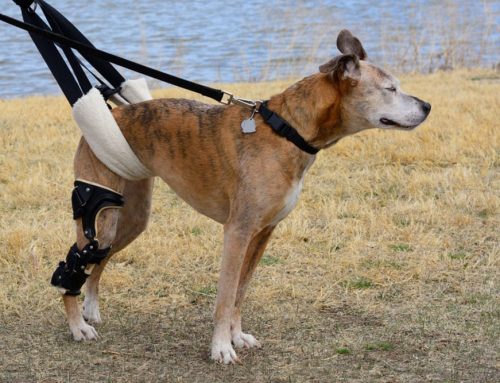
Beyond medical interventions, our team emphasizes practical mobility support- like traction mats and orthopedic bedding- to keep pets comfortable and active at home.
Surgical Interventions
Certain injuries, such as cruciate ligament tears or severe fractures, may require surgery to restore function. Our surgical team performs soft-tissue and some orthopedic procedures with full anesthetic monitoring for safety. We can refer you to trusted partners for complex orthopedic surgeries. After surgery, we provide detailed plans to encourage safe recovery and restore balance and strength. In some cases, amputation surgery becomes necessary to relieve chronic pain or remove a cancerous limb. Pets typically adapt remarkably well and regain full quality of life with proper rehabilitation and follow-up care.
Helping Your Pet Get Back on Their Feet
Limping is never something to ignore, but with timely care and the right diagnosis, most pets recover well. At Soda Springs Animal Clinic, we’re committed to restoring comfort and mobility with accurate diagnosis, thoughtful treatment, and gentle follow-up support.
If your pet is limping or showing signs of pain, call us at (208) 547-4981 or contact our team to schedule an exam. With early evaluation, we can help your pet heal faster- and get them back to the activities they love most.