

Keeping Pets Comfortable With Osteoarthritis Care
Does it hurt you to see your pet struggling to jump onto the couch or seeming stiff after a morning nap? Watching a once-active animal slow down due to joint pain is heartbreaking, but their discomfort doesn’t have to be their new normal. Advances in veterinary medicine- from long-acting pain medication injections to physical therapy- allow for personalized treatment plans that restore function and reduce inflammation. Consistent care and owner awareness are the best tools for maintaining quality of life in pets with this common condition.
At Soda Springs Animal Clinic, we understand how mobility challenges can affect both pets and their families. Our team provides comprehensive wellness care, detailed orthopedic exams, and modern pain management strategies to help dogs and cats live comfortably at every stage of life.
Why Arthritis Awareness Matters
Osteoarthritis is one of the most common chronic conditions seen in older pets. Over time, cartilage- the cushioning between joints- wears down, leading to stiffness, inflammation, and pain. Because the changes are gradual, owners often don’t notice symptoms until pets struggle with movement or daily routines.
The good news is that early recognition and intervention can slow progression and greatly improve comfort. Routine exams and joint assessments during wellness visits allow us to detect subtle changes before pain becomes severe. When caught early, joint supplements, exercise modification, and weight management can dramatically slow the disease’s course.
If your pet seems hesitant to play or climb stairs, scheduling an early evaluation helps us begin preventive care before long-term damage sets in. Many pets regain energy and enthusiasm when their discomfort is managed effectively.
Recognizing Early Arthritis Signs
Arthritis can look different in each pet, depending on the joints affected and their activity level. Subtle shifts- like stiffness after rest or hesitancy to jump- often appear long before obvious limping. Paying attention to small behavioral changes helps ensure timely treatment.
Common pain signs include slower movement, irritability, or reluctance to be touched. In dogs, limping may appear after exercise or long naps. Cats with arthritis may groom less, avoid high perches, or avoid the litterbox.
Owners sometimes assume their pet’s decreased activity is simply due to aging, but pain- not age- is often the real culprit. We encourage pet owners to bring videos of their pets walking or climbing stairs to appointments- these visual cues help us identify early-stage arthritis and adjust care plans accordingly. If your pet seems stiff, uncomfortable, or less playful, it’s time for a mobility check-up.
How Veterinarians Diagnose Arthritis
Diagnosing arthritis involves a combination of hands-on assessment and imaging. During an exam, we evaluate joint range of motion, muscle tone, and pain response, along with overall body condition. These findings guide whether advanced testing is needed.
Imaging such as digital X-rays can confirm joint changes and rule out other conditions that mimic arthritis. Routine preventive testing for senior pets also helps uncover early organ or metabolic issues that may impact mobility or medication tolerance.
At Soda Springs Animal Clinic, our diagnostic services include digital X-rays, ultrasound, and in-house laboratory testing to support quick, accurate results. Establishing a baseline allows us to track your pet’s progress and modify treatments as needed. For pets already showing signs of arthritis, regular monitoring ensures that pain management remains effective as their needs evolve.
Arthritis Treatment Options
Managing arthritis successfully means combining several therapies that work together to reduce inflammation, control pain, and support joint health. Every plan is customized based on your pet’s age, activity level, and response to care.
Traditional Arthritis Medications
Nonsteroidal anti-inflammatory drugs (NSAIDs) remain one of the most effective ways to relieve pain and inflammation. When prescribed properly and monitored with periodic lab work, these medications allow pets to stay active and comfortable.
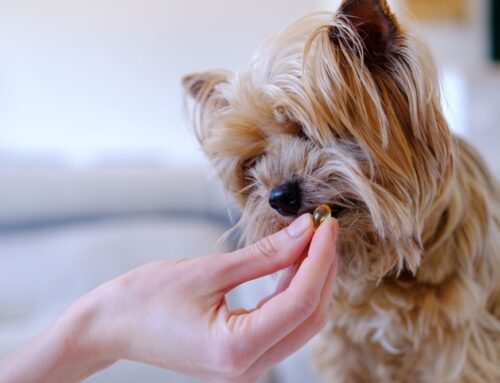
Supplements like omega-3 fatty acids, glucosamine, and chondroitin help support joint lubrication and cartilage strength. Improvement is gradual, so patience and consistency are key. Our veterinarians will guide you on appropriate products and dosage, ensuring your pet receives only safe, evidence-based supplements.
Follow-up visits allow us to fine-tune medications as your pet’s condition evolves, ensuring long-term safety and comfort. For pets unable to tolerate NSAIDs, alternative therapies may be combined to maintain comfort while protecting organ health.
Biologic Therapies for Arthritis Pain
New options such as monoclonal antibody injections- Librela for dogs and Solensia for cats- target specific pain pathways instead of relying on traditional anti-inflammatories. These monthly injections block the nerve growth factor responsible for chronic pain, helping many pets regain mobility within weeks.
If your dog or cat is struggling despite current treatment, talk with our team about whether biologic therapy might be the next step in their arthritis management plan. These cutting-edge treatments are especially useful for senior pets or those with concurrent conditions that limit medication options.
Complementary and Advanced Therapies
Integrative care helps reduce dependency on medication while promoting overall wellness. Options such as laser therapy can reduce inflammation, improve circulation, and encourage healing. Targeted rehabilitation for arthritis focuses on restoring mobility and strength through customized exercise programs. Rehabilitation helps reduce stiffness, prevent muscle atrophy, and maintain joint flexibility over time. Combined with weight control and structured exercise, these therapies enhance joint function and help pets move more freely.
We also emphasize lifestyle adjustments like orthopedic bedding, traction aids for slick floors, and temperature management- cold weather often worsens arthritis stiffness. We’ll discuss your pet’s unique needs and recommend safe, effective options suited to their lifestyle and comfort level.
At-Home Support and Maintenance
Arthritis care doesn’t end after leaving the clinic. Small daily adjustments can make a big difference in your pet’s comfort. Simple routines- like incorporating warm-ups and cooldowns and regular physical rehabilitation– help maintain flexibility and circulation.
Other at-home strategies include:
- Using supportive bedding and nonslip flooring
- Keeping weight in a healthy range to reduce joint strain
- Providing ramps or stairs to help with elevation changes
- Maintaining consistent low-impact activity to prevent stiffness
Modifications for cats also include low-sided litterboxes and help with grooming. In colder months, a soft sweater and a warm sleeping area can ease discomfort. Even small environmental improvements can have a major impact on your pet’s daily mobility. Our team will work with you to develop a custom plan that fits your schedule and your pet’s energy level, supporting long-term success.
Supporting Senior Pets Beyond Arthritis
Many older pets with arthritis also face other age-related challenges such as kidney disease, endocrine disorders, or heart conditions. That’s why comprehensive senior care- covering diet, mobility, and preventive medicine- is essential.
During your pet’s wellness exam, we assess more than just joint health. We evaluate overall organ function, body weight, and dental condition to create a holistic plan for healthy aging. Diet adjustments, pain management, and regular exercise recommendations all work together to maintain mobility and confidence. By managing arthritis alongside other concerns, we improve both longevity and quality of life.
Below is a standalone section you can paste into an arthritis blog. It follows your style guide, uses the links naturally, and avoids sentimentality or em dashes.
Assessing Quality of Life in Pets Living With Arthritis
When arthritis begins affecting a pet’s daily comfort, families often wonder how to tell whether their companion is still experiencing good days or quietly struggling. Many families find it helpful to use a formal quality of life scale that breaks daily well-being into measurable categories like mobility, appetite, sleep patterns, pain levels, and engagement with familiar activities. A quality of life scale for aging pets is a practical tool for tracking changes over time. Recording scores weekly or monthly shows whether mobility aids, medication adjustments, weight management, or home modifications are making a difference. It also helps highlight patterns that might otherwise be overlooked, such as increasing stiffness in the morning or a growing reluctance to climb stairs.
Quality of life discussions become especially valuable when arthritis progresses despite treatment. Even when a pet is still enjoying many good moments, learning what declining mobility looks like and when pain becomes difficult to control allows families to make thoughtful plans long before a crisis occurs. When the pain does become too much, our team is here to help with quality of life and end of life discussions.
Taking the First Step Toward Relief
Arthritis may be lifelong, but it doesn’t have to limit your pet’s happiness. With early intervention, careful monitoring, and a personalized care plan, pets can stay active and pain-free well into their senior years.
If you’ve noticed stiffness, decreased activity, or changes in mobility, now is the time to act. Contact us today to schedule an arthritis evaluation. At Soda Springs Animal Clinic, we’re here to help your pet move comfortably, live fully, and enjoy every stage of life by your side.



Leave A Comment